Bali SIM Card Guide for Tourists and Guide ESIM Card
Staying connected is one of the first practical needs when travelling in Bali. Whether you are navigating unfamiliar roads, ordering transport, searching for restaurants, or sharing your journey online, having a reliable Bali SIM card makes travelling around the island far easier and more comfortable, especially for first-time visitors.
This updated guide provides the latest, most accurate information on Bali SIM cards and eSIMs for tourists. You will learn the differences between SIMs and eSIMs, where to buy them, how much they cost, which providers offer the best coverage, and what to watch out for when purchasing.
Why Tourists Need a Bali SIM Card
While free WiFi is widely available in hotels, cafés, and restaurants, it is not always reliable or fast enough for daily travel needs. A Bali SIM card gives you constant access to mobile data wherever you are, including rural areas, beaches, and mountain roads.
Tourists commonly rely on mobile data for:
- Google Maps and navigation
- Ride-hailing apps such as Grab and Gojek
- Messaging and calls via WhatsApp
- Online bookings, digital tickets, and payments
- Emergency communication
For most travellers, having mobile data from the moment they arrive reduces stress and allows for smoother, more independent travel.
Source: Pexels
Bali SIM Card vs eSIM: Which One Is Better?
Before choosing a Bali SIM card, it is important to understand the two main options available.
Physical Tourist SIM Card
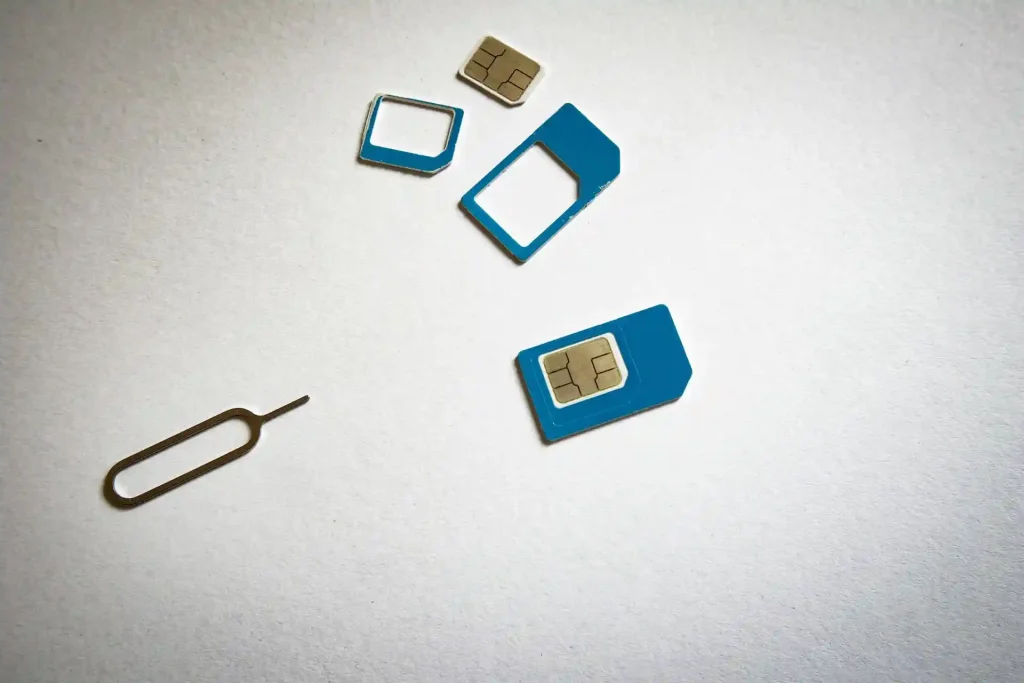
A physical tourist SIM card is inserted directly into your phone and is widely used by visitors in Bali. These SIM cards usually come with a prepaid data package valid for up to 30 days and are easy to find in airports and popular tourist areas. They work on most unlocked smartphones and can be activated with assistance from staff, which is helpful for travellers who prefer face-to-face support.
However, physical SIM cards require passport registration, and prices at airport counters tend to be higher than those purchased elsewhere. Some data packages may also be divided by usage type, meaning certain portions of your data allowance are limited to specific apps such as social media or video platforms.
eSIM for Bali
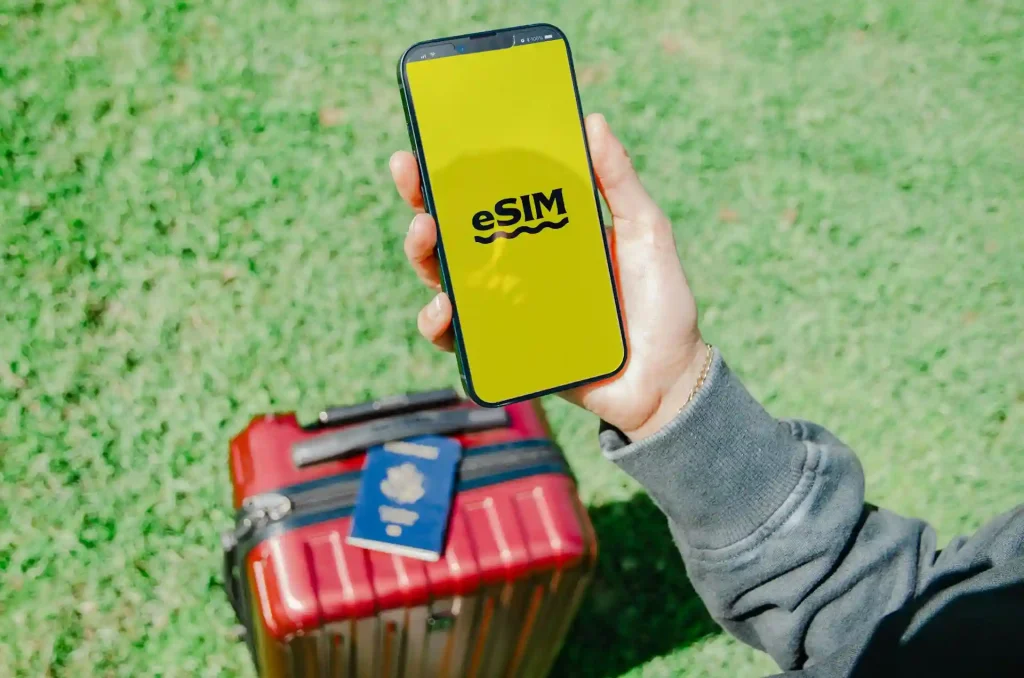
An eSIM is a digital SIM that can be installed by scanning a QR code, eliminating the need for a physical card. This option allows travellers to purchase and activate their data plan before arriving in Bali, ensuring instant connectivity upon landing. eSIMs do not require passport or IMEI registration and are often extendable beyond 30 days, making them particularly convenient for longer stays.
The main limitation of eSIMs is device compatibility, as only newer smartphones support this technology. For travellers with compatible devices, eSIMs offer a seamless and flexible solution with minimal setup.
For most tourists, especially short-term visitors and digital nomads, eSIMs are now considered the most convenient and stress-free option for staying connected in Bali.
Source: Pexels
Where to Buy a Bali SIM Card
Buy Online Before Arrival (Recommended)
Buying a Bali SIM card or eSIM online before travelling is the easiest and least stressful option. Your internet connection can be active as soon as you land, which is particularly helpful for booking transport from the airport.
Online eSIM providers usually offer:
- Clear data packages
- Reliable Indonesian networks
- English-language support
Always check that your phone supports eSIM before purchasing.
Buy a SIM Card at the Airport
If you prefer a physical SIM, you can purchase one upon arrival at Ngurah Rai International Airport. SIM card counters are located after baggage claim and customs.
This option is convenient because staff will help with registration and activation. However, airport SIM cards are often more expensive, and the terminal can be crowded. Be sure to ask for full details about the data package, as some plans divide usage between general data and specific apps.
Buy from Official Stores in Tourist Areas
Official mobile shops in areas such as Canggu, Seminyak, and Ubud also sell tourist SIM cards. Prices are usually lower than at the airport, and staff can assist with setup.
Avoid buying SIM cards from informal street vendors. These may come with unclear pricing, improper registration, or a higher risk of deactivation. If unsure, ask your hotel staff, driver, or tour guide to recommend a trusted store.
How Much Does a Bali SIM Card Cost?
Prices vary depending on the provider, data allowance, and point of purchase. As of recent tourist standards:
- IDR 100,000–300,000 for 10–30 GB
- Validity: usually up to 30 days
eSIM prices may be slightly higher but often provide better transparency and flexibility.
Best SIM Card Providers in Bali
Several Indonesian networks operate across Bali, but coverage quality can vary depending on location.
- Telkomsel
Known for the widest and most reliable coverage, including rural and mountainous areas. - XL Axiata
Offers competitive pricing and solid performance in main tourist zones. - Indosat Ooredoo
Often the most affordable option, though occasional promotional messages may appear.
For travellers planning to explore remote parts of Bali, Telkomsel is generally the safest choice.
Source: Pexels
Important Things Tourists Should Know
Tourist SIM cards in Bali are usually valid for up to 30 days, after which they may stop working unless extended or replaced. For longer stays, this limitation is important to plan around.
Local Indonesian SIM cards require IMEI registration and tax payment, which can be costly and unnecessary for short-term visitors. As a result, tourist SIM cards or eSIMs are generally the more practical choice.
Many plans advertised as “unlimited” include fair usage limits, meaning internet speeds may slow after a certain amount of data is used. Some packages are also app-specific, with data restricted to certain platforms.
Always keep your SIM receipt or eSIM QR code, as these are often needed for support or extensions. For stays longer than 30 days, eSIMs are usually easier to manage, as they can be renewed digitally without visiting a mobile store.
Other Ways to Stay Connected in Bali
Free WiFi is widely available across Bali, particularly in hotels, villas, cafés, and restaurants. While these connections are generally sufficient for browsing, messaging, and light online activity, speeds can vary depending on location and the number of users connected at the same time.
For travellers who need a more stable and faster connection, Bali offers a growing number of co-working spaces designed for remote work. These spaces provide reliable high-speed internet, comfortable work environments, and flexible access options, ranging from daily passes to monthly memberships. Co-working spaces are especially popular in areas such as Canggu and Ubud and are well-suited for digital nomads and remote professionals.
Final Thoughts on Choosing a Bali SIM Card
Choosing the right Bali SIM card depends on your travel style, length of stay, and device compatibility. For most tourists, purchasing an eSIM online before arrival offers the smoothest and most reliable experience, while physical SIM cards remain a practical option for those who prefer in-person assistance.
With dependable mobile internet, navigating Bali becomes easier and more intuitive. You can move freely, explore beyond the main routes, and stay connected without distraction. Once connectivity is taken care of, the rest of your journey can unfold at a more relaxed pace.
For travellers planning to spend time in Ubud, pairing seamless connectivity with a comfortable stay makes all the difference. Staying with Luxury Ubud Villas Rental allows you to settle into the calmer rhythm of Ubud while enjoying privacy, convenience, and the freedom to explore at your own pace.