Balinese Temples: 6 Things You Must Know
Welcome to the enchanting world of Balinese temples! These authentic architectural marvels embody the peaceful yet mystical vibes that make Bali the renowned island of gods. With deep significance in Balinese culture and religion, these sacred sites offer a gateway to the rich spiritual and artistic traditions of Bali.
In this article, we’re going to let you in on the secrets of these holy places and highlight 6 main things that’ll make your visit to Balinese temples way better. We’ll look at the basic ideas, the cool details, and the spiritual ceremonies. Join us as we dig into the mystery and find out the deep reasons they’re so special. Let’s get started and check them out!
Source: Pixabay
The Fundamental Concept of Balinese Temples
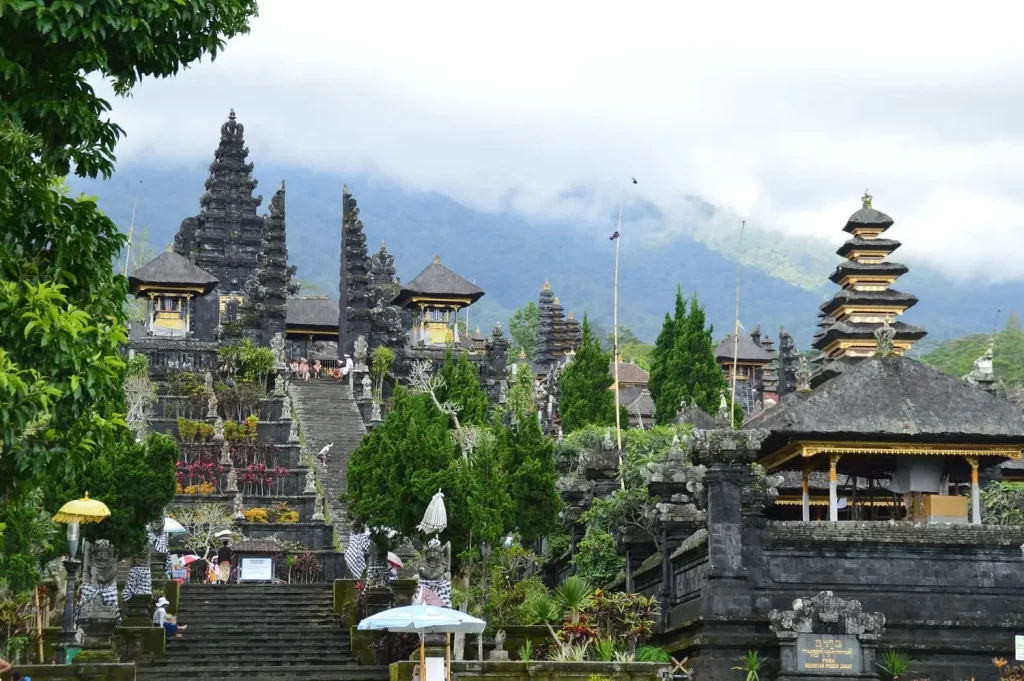
Balinese temples, locally known as “Pura,” hold a central role in the lives of Balinese people, predominantly Hindus. They serve as places of worship, cultural preservation, and community gatherings, representing the deep spiritual connection within Balinese Hinduism.
These temples are not only for worship but also regarded as sacred abodes of gods and ancestors. Balinese people believe that the temple contains “holy seats” where the gods and spirits are present, and it is their responsibility to maintain their sanctity.
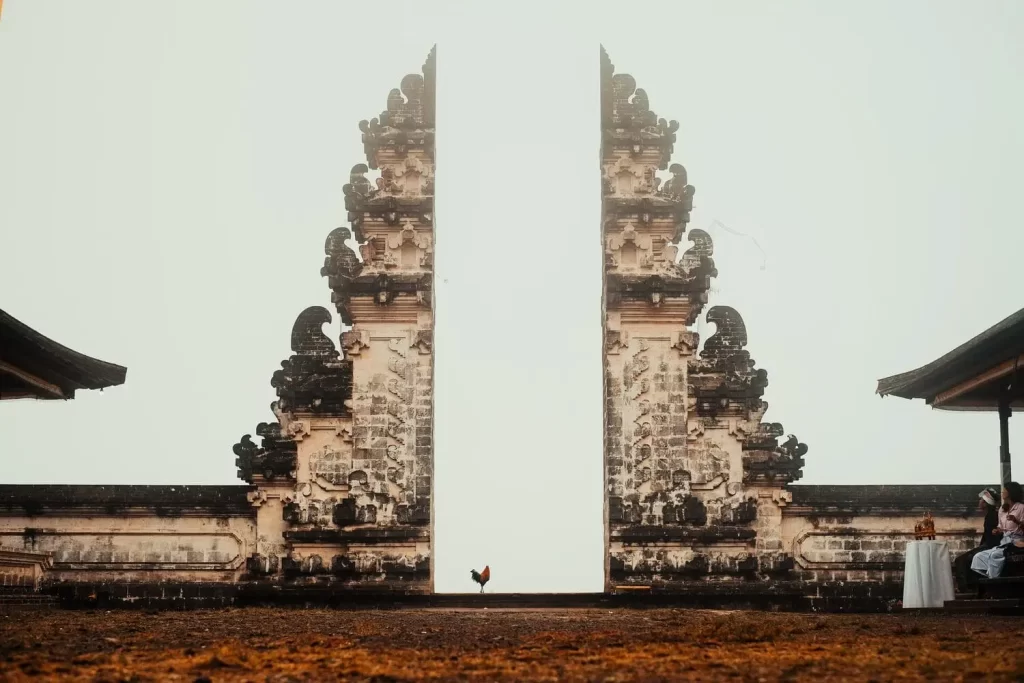
There are 2 fundamental concepts applied in Balinese temples. The first is “Rwa Bhineda,” which represents duality and balance. It symbolizes the coexistence of contrasting elements such as good and bad or up and down. The concept is reflected in the offerings placed both on the temple buildings and beneath them, as well as in the motives of “returning what have earned”.
The second concept is the trinity, which adds up the “in-between” of duality. It encompasses aspects like birth, life, and death or bottom, middle, and upper. This concept is prominently applied in various aspects of Balinese temples, especially in their architectural design. We will discuss it more in an individual chapter ahead. So, read on!
Source: Unsplash
Balinese Temples Types
Balinese temples can be classified into 4 different types, including:
1. Pura Kahyangan Jagat.
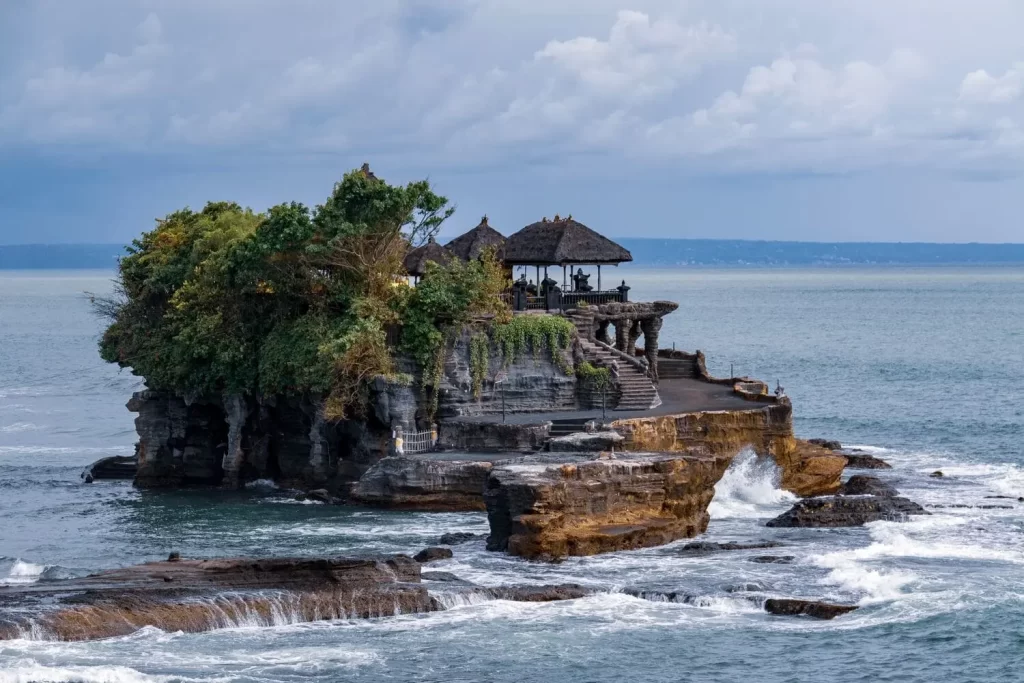
These are the “directional temples” that are strategically located to protect and maintain the balance of the Bali island. There are nine of them, each representing a specific direction and presided over by a different deity. Some of them are Besakih, Uluwatu, and Ulun Danu Batur. Additionally, there is Pura Dang Kahyangan. Which is the name for public temples that are built based on the journey of certain spiritual figures. For example: Tanah Lot, Pulaki, etc.
2. Pura Kahyangan Tiga
Implementing the trinity concept, these temples are divided into three subtypes. Desa Temple symbolizes birth and serves as a social temple where villagers gather for meetings. Puseh Temple symbolizes life and serves as a venue for conducting ceremonies linked to prosperity. Dalem Temple signifies death and is typically located near cemeteries for funeral rituals. Every traditional village in Bali has these temples.
3. Pura Swagina
Type of temple that is based on the conventional professions of Balinese people. For example: Pura Segara in relation with the fishermen, Pura Subak for farmers, and Pura Melanting for merchants
4. Pura Kawitan
These temples are specific to the lineage of each Balinese individual, serving as ancestral temples for their respective families.
Source: Unsplash
Exploring the Architectural Beauty
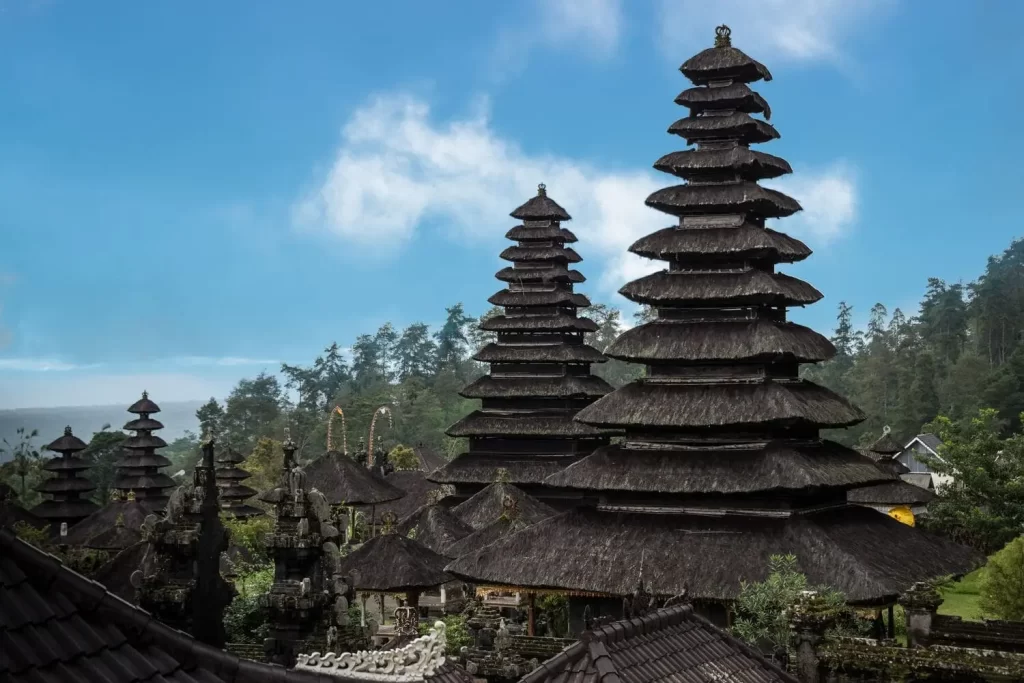
Balinese temples showcase the island’s rich cultural heritage and artistic traditions through their exquisite architecture. Intricate carvings, ornate gateways, and towering pagodas reflect the influence of ancient Javanese and Indian styles.
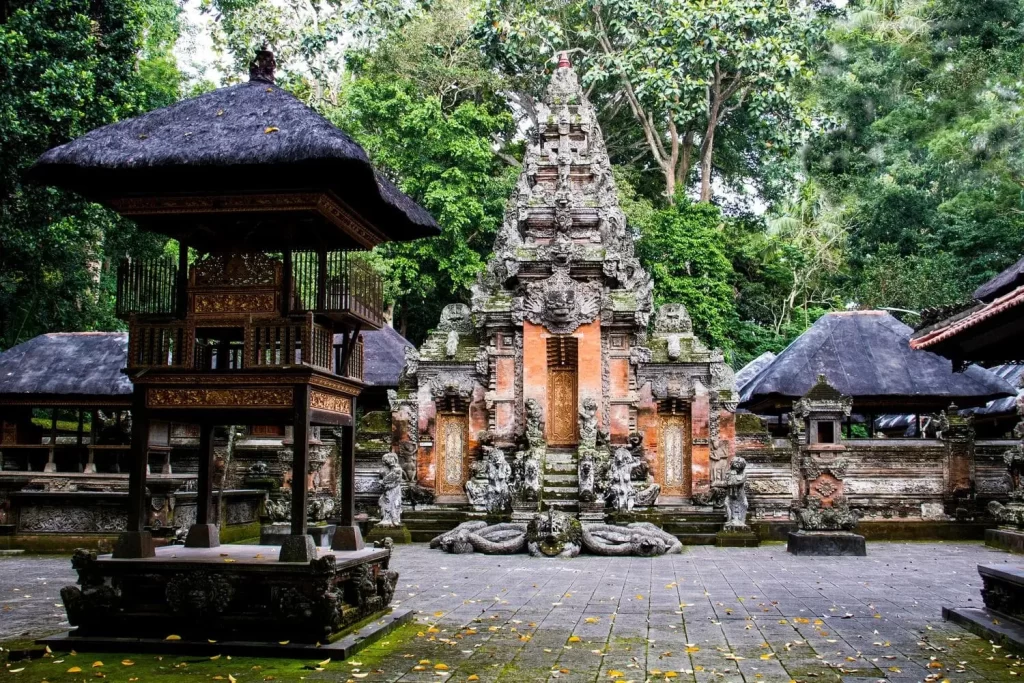
The temple layouts adhere to the trinity concept and consist of three sections. The central part, known as the “Jeroan” or “Utama Mandala,” is the most sacred area where the main shrines and altars reside. The iconic multi-tiered shrines called “Meru” symbolize Mount Meru, the mythical abode of gods. The number of tiers represents the deity’s rank and importance.
Additionally, there are altar-like structures called “Palinggih”, derived from “Linggih,” meaning the holy seat. Moving to the middle space, known as “Jaba Tengah” or “Madya Mandala,” you’ll find open halls like “Bale Pesandekan” where devotees gather and “Bale Gong” for the gamelan music group to perform during ceremonies.
Finally, the outer courtyard, “Jaba Sisi” or “Nista Mandala,” features split gateways called “Candi Bentar.” These gateways, adorned with mythical creatures like the protective “Barong” or fierce “Kala,” represent the transition from the mundane to the sacred realm.
Exploring Balinese temples is akin to entering a living museum, where every intricate detail tells a story and reflects the devotion and craftsmanship of the Balinese people.
Source: Unsplash
Etiquette and Rules to Obey
When visiting Balinese temples, it is important to respect the local customs and adhere to certain rules to maintain the sanctity of these sacred sites. Here are some guidelines to follow:
- Dress Appropriately, Balinese temples are places of worship, so it is important to dress modestly. Both men and women should wear clothes that cover their shoulders and knees. Sarongs and sashes are often provided at the temple entrances for visitors to borrow or rent.
- Remove Shoes and Headgear, before entering the temple, it is customary to remove your shoes as a sign of respect. Additionally, hats, caps, and sunglasses should be taken off as a gesture of reverence.
- Be Mindful of Your Behavior, Balinese temples are places of serenity and spirituality. It is important to maintain a quiet and respectful demeanor while inside the temple premises. Loud talking, laughing, or any disruptive behavior should be avoided.
- Avoid Touching or Disrupting Offerings, Balinese temples feature vibrant offerings crafted by worshippers, and it is crucial to refrain from touching or disturbing these offerings, as they hold sacred significance. Observe them from a distance and be careful not to step on them.
- Ask for Permission, if you wish to take photographs or explore certain areas of the temple, it is courteous to seek permission from the temple authorities or the local guide. Some areas may be off-limits or restricted during certain ceremonies.
Source: Unsplash
Rituals at Balinese temples
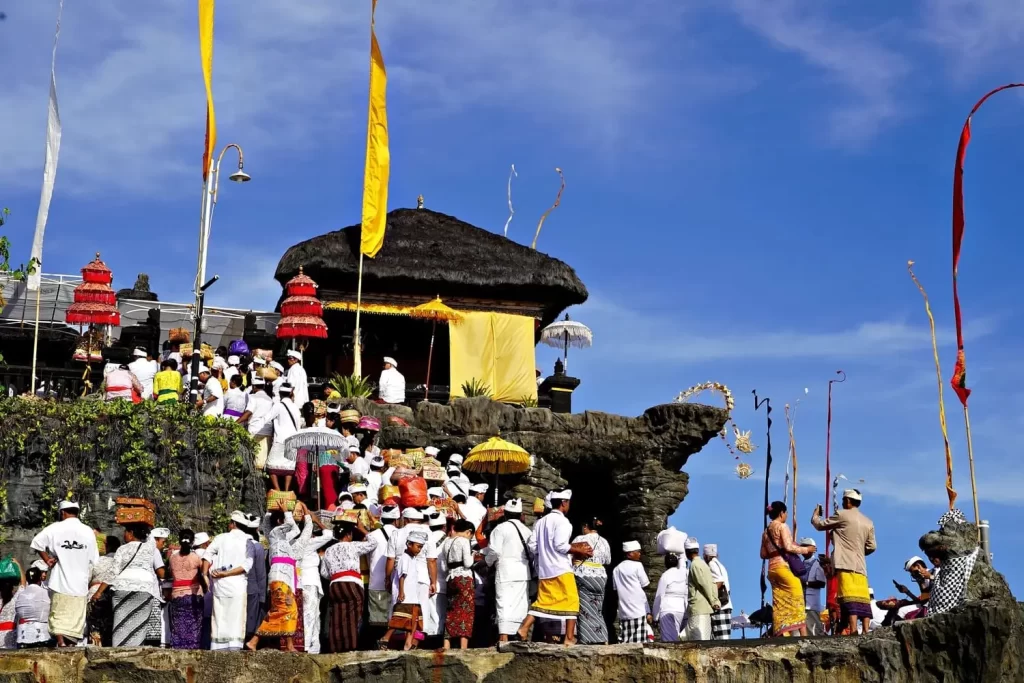
Balinese temple ceremonies, known as “Odalan” are vital to the island’s traditions. These ceremonies commemorate the temple’s anniversary according to the Balinese Calendar and pay homage to deities and ancestors.
During these vibrant events, Balinese people dress in traditional attire and carry “Banten” filled with beautifully decorated offerings, fruits, flowers, and incense. The atmosphere resonates with the enchanting melodies of gamelan music, accompanied by captivating traditional Balinese dance performances.
The centerpiece of temple ceremonies is the “Mecaru” or purification ritual. This sacred practice involves offering sacrifices, sprinkling holy water, reciting prayers, and receiving blessings from temple priests. Mecaru is believed to spiritually cleanse both the temple grounds and the participants.
Balinese temples also host special events on specific celebration dates. For instance, consider “Melasti,” which is typically a component of Nyepi ceremonies, involving the transportation of spiritual symbols from the temple to the closest beach for cleansing rituals.
Attending a Balinese temple festival offers an immersive cultural experience, providing a glimpse into the vibrant traditions and profound spirituality embraced by the Balinese people.
Source: Pixabay
Best Balinese Temples You Must Visit
There are some notable Balinese temples famous to tourists. Mostly the Kahyangan Jagat or Dang Kahyangan since they are considered the public temples. Some of the popular ones are:
1. Pura Besakih
The largest and most significant temple complex in northeastern Bali, situated on Mount Agung’s slopes. It symbolizes spiritual unity and is known as the “Mother Temple of Bali.” The distinction from most other temples comes from the scale of Besakih Temple and its housing of numerous smaller temples within it, hence its name, “Mother of Temple.”
2. Pura Gunung Kawi
Situated in Tampaksiring, northeast of Ubud. This pura gunung kawi is an ancient complex, dating back to the 11th century, which stands out for its distinctive rock-cut shrines carved into the cliff face and the abundant tropical greenery that surrounds it. It pays tribute to King Anak Wungsu and his queens, who reigned during the Udayana dynasty.
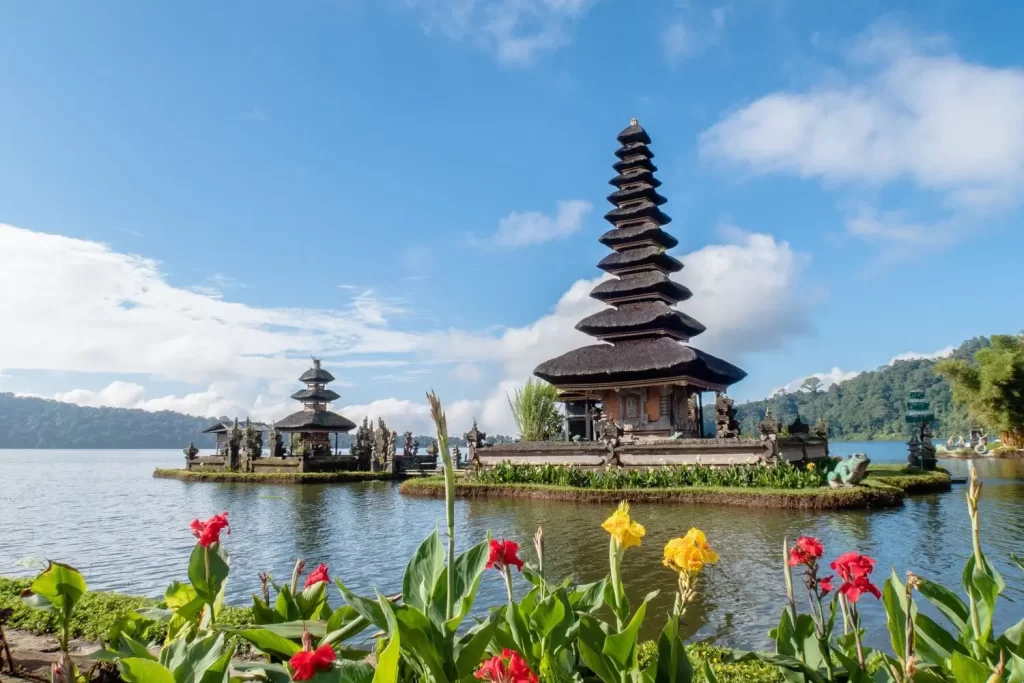
3. Pura Ulun Danu Bratan
A beautiful water temple located by Lake Bratan in northern Bali. Dedicated to the goddess of lakes and rivers, it exudes serenity amidst mist-covered mountains.
4. Pura Goa Gajah
Goa Gajah is known as Elephant Cave, was built for the refuge of Hindu pilgrims. It is located near the village of Bedulu, southeast of Ubud. This temple boasts historical and archaeological importance, deriving its name from the carved cave entrance that resembles an elephant.
5. Pura Goa Lawah
Known as the “Bat Cave Temple,” found in southeastern Bali. It fascinates visitors with its sacred cave believed to extend to Besakih Temple. The temple’s mystical ambiance attracts both locals and tourists.
These temples showcase the cultural richness and spiritual allure of Bali, providing captivating experiences for travelers.
Source: Unsplash
Immerse Yourself in the Spiritual Essence of Balinese Temples!
As we conclude our journey through the captivating realm of Balinese temples, we hope you’ve gained a profound appreciation for these sacred sites and their significance in Balinese culture. Beyond their architectural marvels, they serve as the spiritual heart of the island, fostering connections between people, gods, ancestors, and nature.
By understanding temple types, observing etiquettes, and participating in ceremonies, you can fully immerse yourself in the spiritual essence of Bali. Seek tranquility, cultural enrichment, or a deeper connection with the divine in the Balinese temples offer a sanctuary for the soul.
However. When you return to Bali, explore these ancient temples, marvel at their beauty, and embrace the spiritual energy within their walls. Let the secrets of Balinese temples unfold, captivating you with their profound meanings.
Embarking on a journey to explore the mystique of Balinese temples? Secure an unforgettable experience by reserving your stay at Ubud Villas Rental by Red Lotus. Indulge yourself in a private villa in the Ubud area that offers a serene ambiance reminiscent of the temples in Bali. Our location offers easy access to renowned Balinese temples like Pura Goa Lawah, Goa Gajah, and Gunung Kawi, making it conveniently situated near these sacred sites. What are you waiting for? Make a reservation now!