Cooking Class Ubud: Best Balinese Cooking Classes & Where to Stay
A cooking class in Ubud is a wonderful way to experience Bali beyond its temples, rice terraces, and tropical landscapes. Instead of simply ordering a plate of nasi campur, you can learn how local ingredients, traditional spices, and generations of culinary knowledge come together in Balinese cuisine.
From visiting a traditional morning market to harvesting herbs on an organic farm, a Balinese cooking class offers a hands-on cultural experience for couples, families, solo travellers, and food lovers. If you are planning a villa holiday, this guide explores different class formats, cooking schools to consider, what to expect, and where to stay to make the most of your time in Ubud.
Why Take a Cooking Class in Ubud?
Ubud is an excellent place to explore Balinese food because its culinary experiences often extend beyond the kitchen. Depending on the programme, you might visit a village market, learn about local farming, or discover how food connects with Balinese family life and traditions.
A practical benefit is that you can take home recipes and techniques to recreate familiar flavours after your holiday. You may also learn to prepare base genep, a traditional spice paste used in many Balinese dishes.
Compared with dining at another restaurant, Ubud cooking classes give you an active role in preparing your meal, making the experience both educational and memorable.
Types of Cooking Classes in Ubud
Market Tour and Home Kitchen
Morning classes may begin at a traditional market, where instructors introduce seasonal produce, spices, and other ingredients. Some experiences continue at a Balinese family compound, offering insight into local cooking methods and household traditions.
This format suits travellers who want to combine food, culture, and a shared meal.
Farm-to-Table Cooking
Farm-based classes introduce you to fresh ingredients at their source. You may walk through an organic garden, harvest herbs and vegetables, and use them in your cooking session.
These experiences are ideal for travellers who enjoy nature and want to understand how ingredients move from garden to plate.
Vegetarian and Vegan Classes
Many Balinese dishes can be adapted for plant-based diets. Look for classes that explicitly offer vegetarian or vegan menus, and confirm whether ingredients such as shrimp paste, fish sauce, eggs, or dairy are excluded when necessary.
Source: Unsplash
Private Cooking Classes
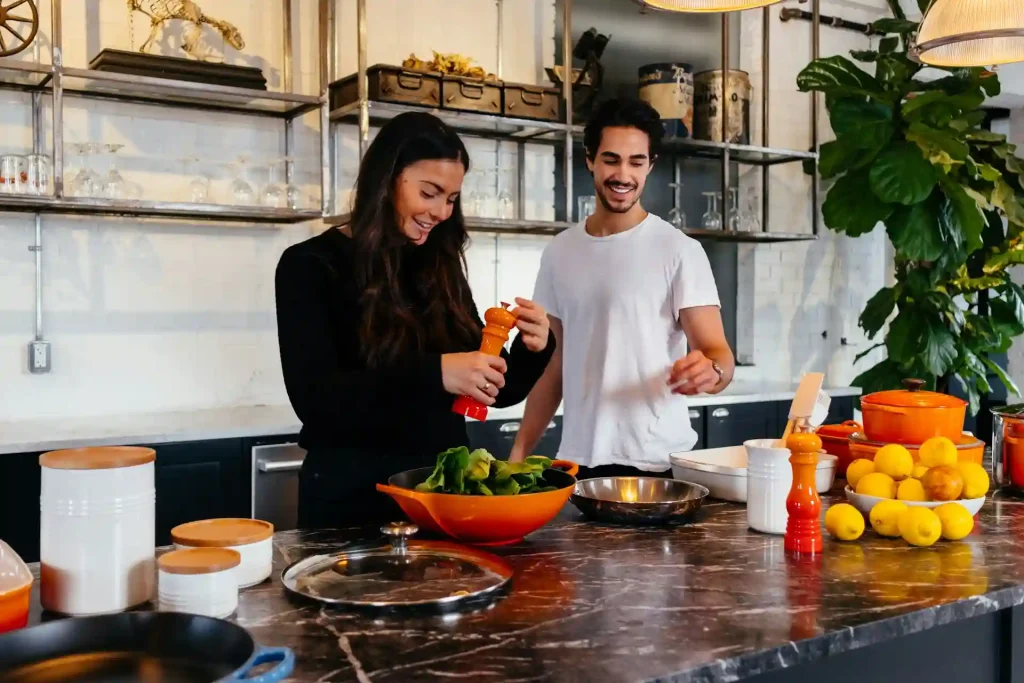
Private sessions provide a more personalised experience for couples, families, or small groups. Depending on the provider, you may have greater flexibility with the menu, pace, and level of instruction.
Best Cooking Classes in Ubud: 5 Options to Consider
The following schools publish programme information on their official websites. Prices and schedules can change, so confirm the details directly before booking.
Paon Bali Cooking Class
Location: Laplapan village, near Ubud.
Paon Bali offers cooking sessions in a traditional Balinese family setting. Its programmes can include a market visit, an introduction to local rice-field culture, hands-on cooking, and a meal featuring the dishes you prepare.
Morning sessions start at approximately 8:30 am, while afternoon sessions start at approximately 3:30 pm. Vegetarian and non-vegetarian menus are available.
Pemulan Bali Farm Cooking School
Location: Taro, north of Ubud.
Pemulan is a strong option for travellers interested in farm-to-table cooking. Its programmes include organic farm visits, hands-on preparation, and different menu options, including vegetarian and vegan choices.
The school lists morning classes with market visits, afternoon sessions, evening classes, and private experiences. Published prices vary by programme, so consult its official programme and pricing page before making plans.
Allow additional travel time: the school estimates that reaching its farm from central Ubud can take around 40–45 minutes.
Jambangan Bali Cooking Class
Location: Kelabang Moding area, Ubud.
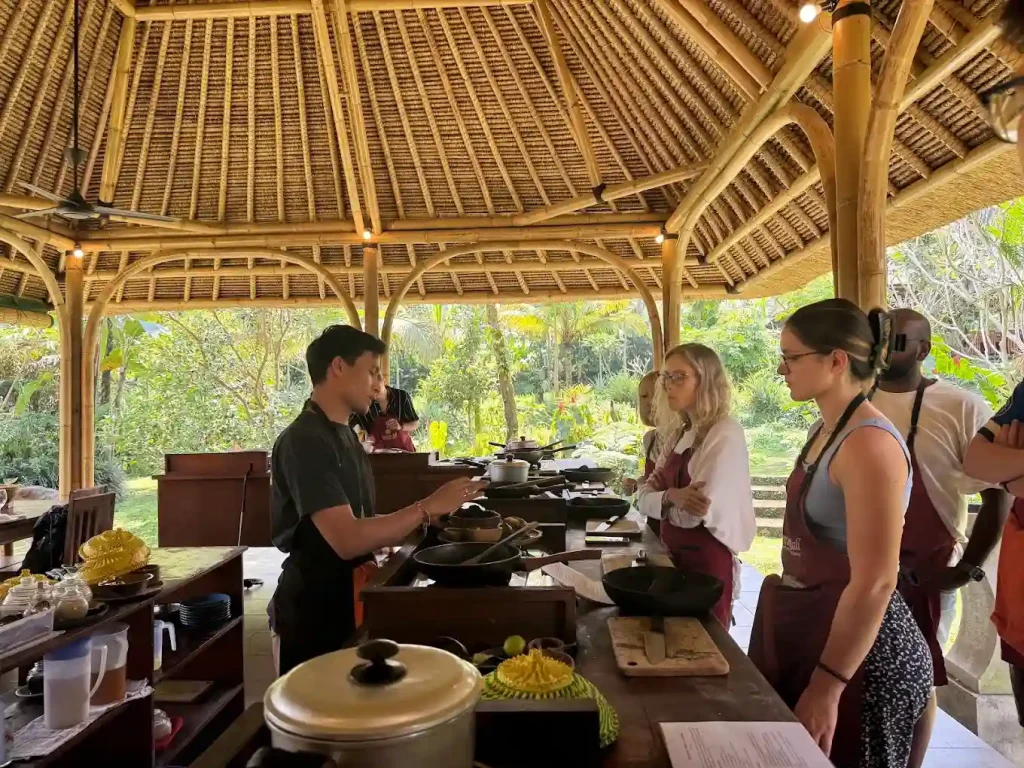
Jambangan offers cooking experiences that combine Balinese food preparation with opportunities to learn about local traditions. Its programme information includes morning and afternoon sessions, as well as a romantic dinner option.
This is worth considering if you want a structured cooking experience during your Ubud stay. Check the official programme and pricing page for current rates, menus, and arrangements.
Paon Escape
Location: Taro, Tegallalang area.
Paon Escape focuses on farm-to-table Balinese cooking. Depending on the programme, guests can visit a traditional market, harvest ingredients, and prepare local dishes in a garden setting.
The school advertises regular and vegan menu options, with morning, afternoon, and evening experiences. Visit their official website to compare available sessions.
Private Balinese Cooking at Your Villa
If you prefer a more relaxed schedule, consider asking your villa host or booking provider about arranging a private chef-led cooking session at your accommodation.
Availability, menus, and prices depend on the provider, so confirm whether the experience includes ingredient shopping, instruction, equipment, and a meal. This option can be especially convenient for families or groups who would rather spend the day enjoying their private pool and surroundings.
How to Choose the Right Cooking Class
Before booking, consider these five factors:
- Your interests: Choose a market tour for local food culture or a farm visit for fresh ingredients and nature.
- Dietary requirements: Confirm vegetarian, vegan, allergy, and other dietary arrangements in advance.
- Group size: Decide whether you prefer meeting other travellers or having private instruction.
- Timing and transport: Check the start time, duration, pickup arrangements, and journey from your accommodation.
- What is included: Compare the menu, meal, recipe booklet, transfers, and any additional activities.
Read the programme details carefully rather than choosing based on photographs or review scores alone.
What to Expect on the Day
Most hands-on experiences begin with an introduction to the ingredients and cooking techniques. Depending on your chosen programme, you may visit a market or garden before learning to prepare several dishes with guidance from a local instructor.
Expect to chop vegetables, grind spices, mix seasonings, and learn how different ingredients contribute to a dish’s flavour. Afterwards, you can sit down to enjoy the meal you have prepared.
Wear comfortable clothing, arrive on time, and tell the organiser about dietary needs before the class begins.
Balinese Dishes You Might Learn
Many classes introduce dishes that showcase the island’s aromatic spices, fresh herbs, and contrasting flavours.
- Base genep: A traditional Balinese spice paste used as a foundation for many recipes. Read our guide to Base Genep Bali: A Balinese Spice Blend With Adventure.
- Lawar: A traditional mixed dish prepared in different regional and household variations. Ingredients can include vegetables, coconut, spices, and meat, depending on the recipe. Explore our Lawar Bali Guide: Types, Taste, Culture & Where to Try It.
- Sate lilit: Minced, seasoned ingredients shaped around a skewer and grilled.
- Sambal matah: A fresh Balinese condiment made with ingredients such as shallots, chilli, and lemongrass.
If you want to understand these dishes more deeply, a cooking class in Ubud lets you learn their preparation firsthand. You can also explore our guides to traditional food in Bali and the top four Balinese foods to try.
Where to Stay in Ubud for a Cooking Class
Your accommodation can make a difference to how comfortably you fit a cooking class into your holiday. Staying near central Ubud may simplify access to meeting points and transport, while a villa outside the centre can offer more privacy, greenery, and space to unwind.
If you are planning several activities, consider your itinerary as a whole. A morning market tour pairs well with a relaxed afternoon at your villa, while an afternoon class leaves the morning free for sightseeing.
Explore our selection of rental villas in Ubud to find a stay that suits your preferred location, group size, and holiday pace. A villa vacation in Ubud can give you a comfortable base between cultural experiences, outdoor adventures, and time to relax.
Frequently Asked Questions
How much does a cooking class in Ubud cost?
Prices depend on the school, programme, duration, and inclusions. Market tours, farm experiences, and private sessions may have different rates. Check the operator’s official booking page for current prices.
Are Ubud cooking classes suitable for beginners?
Yes. Many classes welcome beginners and guide participants through each step. You generally do not need previous cooking experience.
Can I join a vegetarian or vegan cooking class?
Yes. Some providers offer dedicated plant-based menus. Confirm the ingredients and preparation methods in advance, particularly if you have allergies or strict dietary requirements.
Should I book a morning or afternoon class?
Choose a morning class if you want to experience a traditional market while it is active. An afternoon session may suit you better if you prefer a slower morning or want to combine cooking with other activities.
Make a Cooking Class Part of Your Ubud Holiday
A Balinese cooking class brings together local flavours, practical skills, and cultural discovery in one memorable experience. Whether you choose a family kitchen, an organic farm, or a private session, consider your dietary needs, preferred setting, and daily itinerary before booking.
To complete your experience, find a comfortable place to unwind between culinary adventures. Ubud Villas Rental offers a selection of villas in Ubud where you can enjoy privacy, relaxation, and convenient access to the cultural experiences that make Ubud special.
Book your cooking class, choose your ideal villa, and enjoy the best of Ubud, from learning traditional recipes to relaxing in your own tropical retreat.