Black Sand Beaches: What They Are and Where to Find Them in Bali
Black sand beaches are coastal areas where the sand appears dark, often deep black or charcoal grey, due to volcanic activity. In places like Bali, these beaches are formed from cooled lava and volcanic ash, creating a striking contrast against blue ocean waves and lush green surroundings.
Quick Answer
- Black sand beaches are formed from volcanic lava and ash
- Bali has many black sand beaches due to nearby volcanoes
- Popular spots include Keramas, Lovina, and Amed
- These beaches are often better for surfing or scenery than swimming
- Black sand can feel warmer and has natural mineral content
Overview
Black sand beaches are one of Bali’s most unique natural features. Unlike the white sandy shores found in southern tourist areas, these darker beaches are shaped by the island’s volcanic history.
Bali sits along the Pacific Ring of Fire and is home to active volcanoes like Mount Agung and Mount Batur. Over thousands of years, eruptions have released lava that cools, breaks down, and becomes fine black sand. Ocean waves then distribute this sand along the coastline, especially in the east, north, and parts of the west.
Why Bali Has Black Sand Beaches
The black colour comes from volcanic minerals such as basalt. When lava meets the ocean and cools quickly, it fragments into small particles. Over time, these particles form soft, dark that shimmer under sunlight.
Each beach can have slightly different shades, ranging from deep black to grey or even brown, depending on mineral composition.
Best Black Sand Beaches to Visit
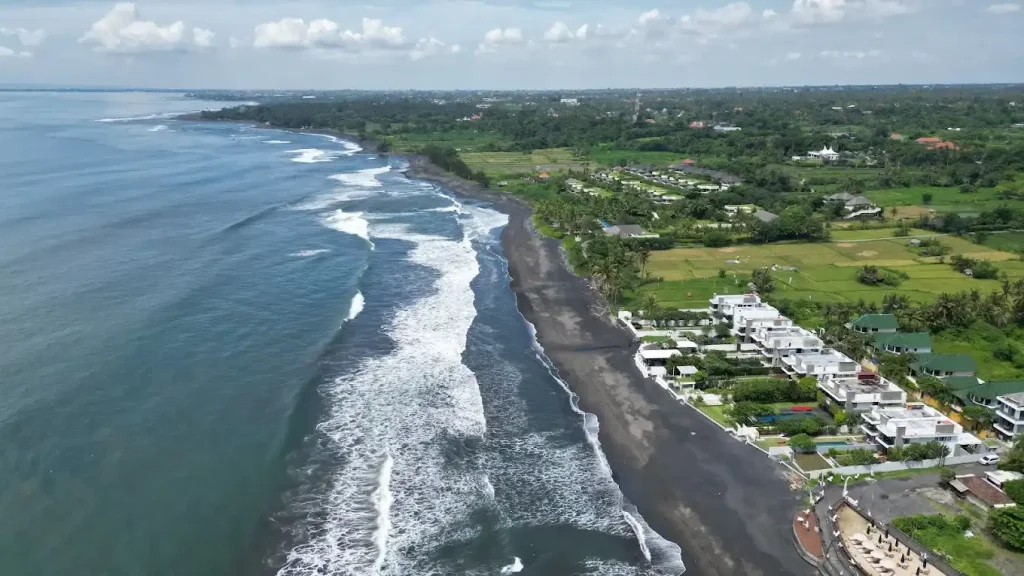
1. Keramas Beach
This beach is one of Bali’s top surf spots, often used for international competitions due to its consistent right-hand reef break. It is best visited at sunrise when the winds are calmer and the lighting is ideal for photos. There is also a nearby beach club, making it one of the more comfortable black sand beaches to spend a full day.
Source: Keramas Beach Maps
2. Purnama Beach
Purnama Beach holds spiritual importance, especially during full moon ceremonies when locals come for rituals. The currents here can be quite strong, so it is not ideal for swimming. Its peaceful atmosphere makes it better suited for quiet walks and cultural observation.
3. Saba Beach
Saba Beach is known for its smooth, slightly shimmering black sand that looks striking under sunlight. Horse riding tours are a popular activity here, especially during sunset. The area remains relatively uncrowded, offering a more relaxed and private beach experience.
4. Jasri Beach
Jasri Beach offers a calmer setting compared to southern beaches, with fewer tourists and a laid-back vibe. It is close to the well-known chocolate factory, making it a nice stop for families or casual travellers. The waves can still be strong, so it is better for sightseeing than swimming.
5. Kusamba Beach
This beach is famous for traditional salt farming, where locals still use centuries-old techniques. Visitors can observe or even try the salt-making process, which adds a cultural experience to the visit. The shoreline is more functional than scenic, but it offers a rare glimpse into local livelihoods.
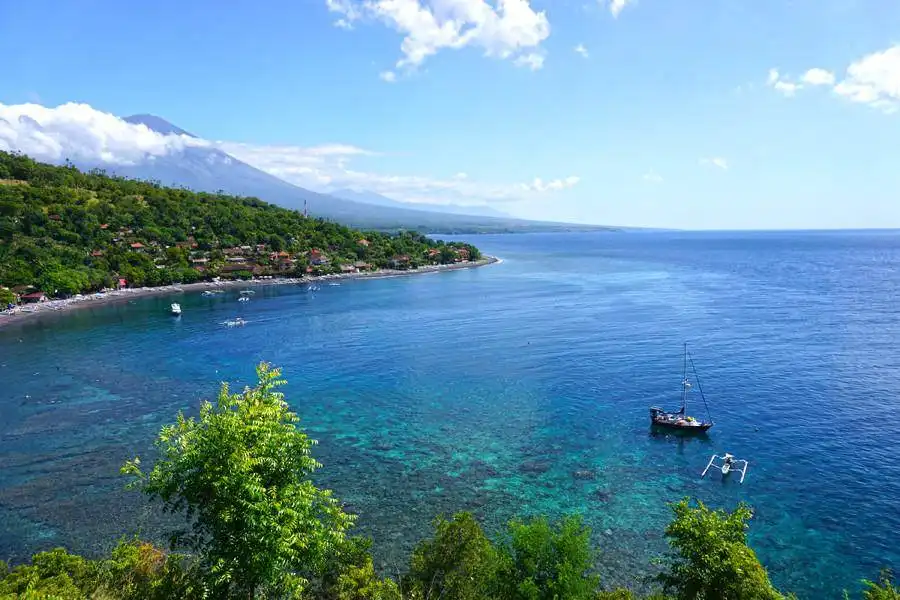
6. Jemeluk Bay
Jemeluk Bay is one of the best snorkelling spots in Bali, with coral reefs located just a few metres from shore. The waters are generally calmer than most black sand beaches, making it suitable for beginners. Early morning offers the clearest visibility for underwater exploration.
Source: FinnsBeachClub
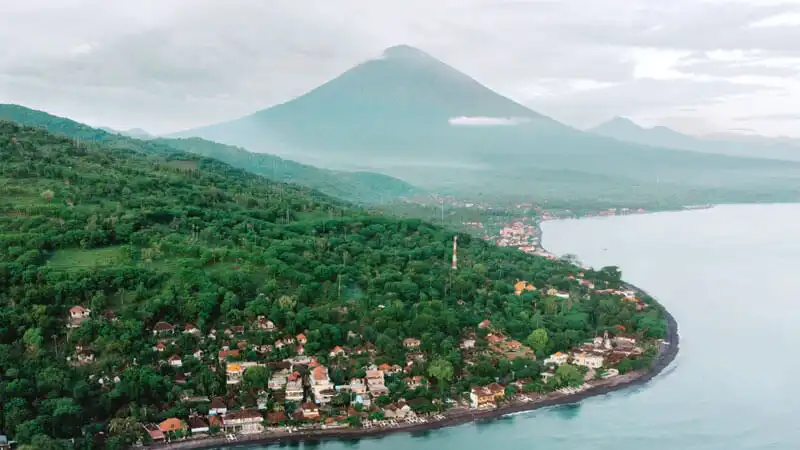
7. Tulamben Beach
Tulamben is globally recognised for the USAT Liberty shipwreck, which lies close enough to shore for easy access. It is suitable for both snorkelling and diving, depending on how deep you want to explore. The beach itself is rocky in parts, so water shoes are recommended.
Source: Water Sport Bali
8. Lovina Beach
Lovina is one of the few black sand beaches with relatively calm waters, making it suitable for swimming. It is best known for early morning dolphin tours, where boats head out at sunrise. The area has a quieter, more relaxed atmosphere compared to southern Bali.
9. Pasut Beach
Pasut Beach is famous for its lone palm tree, often featured in photography and social media. During low tide, the wide shoreline allows for activities like ATV rides and scenic walks. It is less developed, so visitors should bring their own essentials.
10. Mengening Beach
Mengening Beach is known for its dramatic cliffs and strong waves crashing against the shore. It remains relatively hidden, attracting fewer tourists than nearby areas like Canggu. There is also a small temple nearby, adding a cultural element to the visit.
What Makes Them Special
Black sand beaches offer more than just a dramatic look. Their uniqueness lies in the experience they create, from the moment you step onto the shore.
- Naturally warm underfoot: The darker colour absorbs heat from the sun, making the sand noticeably warmer, especially in the morning and late afternoon.
- Rich in natural minerals: Formed from volcanic ash and lava, the sand contains minerals that can feel gently exfoliating on the skin.
- Quieter, less crowded atmosphere: Unlike Bali’s popular white sand beaches, these shores often feel more peaceful and untouched.
- Powerful waves and raw coastal beauty: Many black sand beaches have stronger waves, making them a favourite for surfers and those who enjoy a more dramatic ocean view.
Tips / Key Considerations
- Visit early morning for cooler temperatures and better lighting
- Wear footwear if visiting midday, as the sand can get very hot
- Be cautious when swimming, as some beaches have strong currents
- Bring snorkelling gear for eastern beaches like Amed and Tulamben
- Respect local customs, especially at culturally significant beaches
FAQs
| Question | Answer |
| Are black sand beaches safe to visit? | Yes, they are safe. However, swimming conditions vary, so always check local conditions before entering the water. |
| Why is the sand black? | The sand is formed from volcanic lava and ash that have broken down over time. |
| Can you swim at black sand beaches in Bali? | Some beaches like Lovina Beach are suitable for swimming, but many have strong waves better suited for surfing. |
| Do black sand beaches have benefits for the skin? | The sand contains minerals and has a natural exfoliating texture, which some people find beneficial. |
| Are black sand beaches hotter than white sand beaches? | Yes, black sand absorbs more heat, so it can feel much warmer underfoot. |
Final Thoughts
Black sand beaches offer a completely different side of Bali. They are quieter, more dramatic, and deeply connected to the island’s volcanic origins. Whether you are chasing sunrise views, surfing waves, or exploring marine life, these beaches are worth adding to your itinerary.
Planning your Bali stay? Make your trip even more memorable with a private villa experience. Explore curated stays with Ubud Villas Rental and enjoy comfort, privacy, and easy access to Bali’s most beautiful destinations.