What to Eat in Bali: Crispy Spring Rolls (Lumpia Bali) with a Rich Peanut Sauce
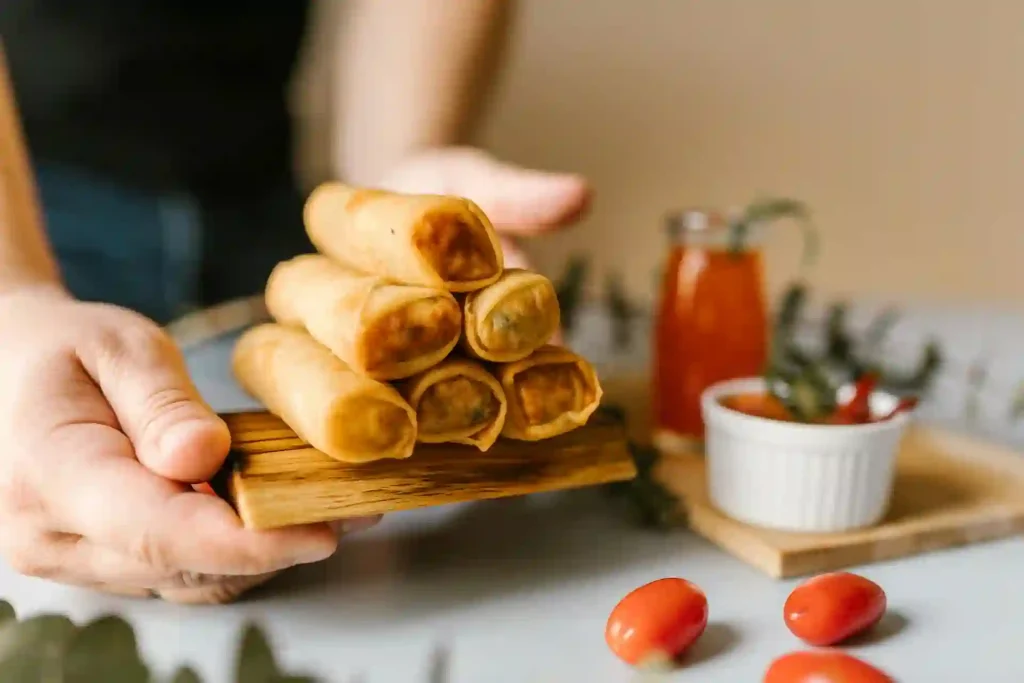
Lumpia Bali is a crispy fried spring roll filled with sautéed vegetables like bean sprouts and carrots, typically served with a rich, slightly sweet and savoury peanut-based sauce. It is especially popular in coastal areas like Sanur and is considered a must-try street snack for visitors to Bali. So, read on to find out more.
Key Points Summary
- A local variation of Indonesian spring rolls with Balinese flavour
- Filled with vegetables such as bean sprouts, carrots, and spring onions
- Served with a distinctive peanut sauce, sometimes with shrimp paste
- Crispy on the outside, soft and savoury on the inside
- Commonly found in Sanur and other beachside areas
- Affordable and widely available as street food
Short History
Lumpia in Indonesia has roots in a blend of Chinese and Javanese culinary traditions, dating back to the 19th century. One popular origin story traces it to a Chinese immigrant named Tjoa Thay Joe, who settled in Semarang and sold spring rolls filled with pork and bamboo shoots. He later met a Javanese woman, Wasih, who made a similar dish with potatoes and shrimp, featuring a slightly sweeter taste. Their recipes eventually blended, creating what we now recognise as lumpia.
The name “lumpia” itself comes from the Hokkien term lun pia (derived from Lùn bīng), which loosely means “soft cake” or “rolled pastry.” Interestingly, early versions were not fried, which explains the original meaning referring to something soft rather than crispy.
Over time, different regions in Indonesia developed their own variations. In Bali, lumpia evolved into a simpler, lighter snack that focuses on texture and sauce. Unlike the well-known Semarang version, Lumpia Bali is usually vegetarian and stands out because of its thick peanut sauce, which gives it a richer and slightly sweeter taste.
Source: Pexels
What Makes Lumpia Bali Unique
Lumpia Bali may look similar to other spring rolls, but a few details make it distinct:
Vegetable-focused filling
Typically includes:
- Bean sprouts (tauge)
- Carrots (thinly sliced)
- Spring onions
- Garlic and shallots for aroma
Signature peanut sauce
This is the key element. The sauce is made from:
- Ground peanuts
- Garlic and chilli
- Water and seasoning
- Sometimes shrimp paste (petis) for deeper flavour
- Thickened with tapioca or corn starch
Serving style
- Fried until golden and crispy
- Cut into bite-sized pieces
- Generously topped with sauce
- Often served with fresh green chillies on the side
How It’s Typically Made
- Prepare the filling
- Sauté garlic and shallots until fragrant
- Add carrots and bean sprouts
- Season with salt, pepper, and a small amount of sauce (such as oyster sauce)
- Cook briefly to keep the vegetables slightly crunchy
- Wrap the lumpia
- Place the filling on spring roll wrappers
- Fold tightly and seal with water or flour paste
- Fry
- Deep-fry in medium heat oil until golden brown
- Make the sauce
- Grind peanuts, garlic, and chilli
- Simmer with water and seasoning
- Add thickener until the sauce becomes smooth and slightly thick
- Serve
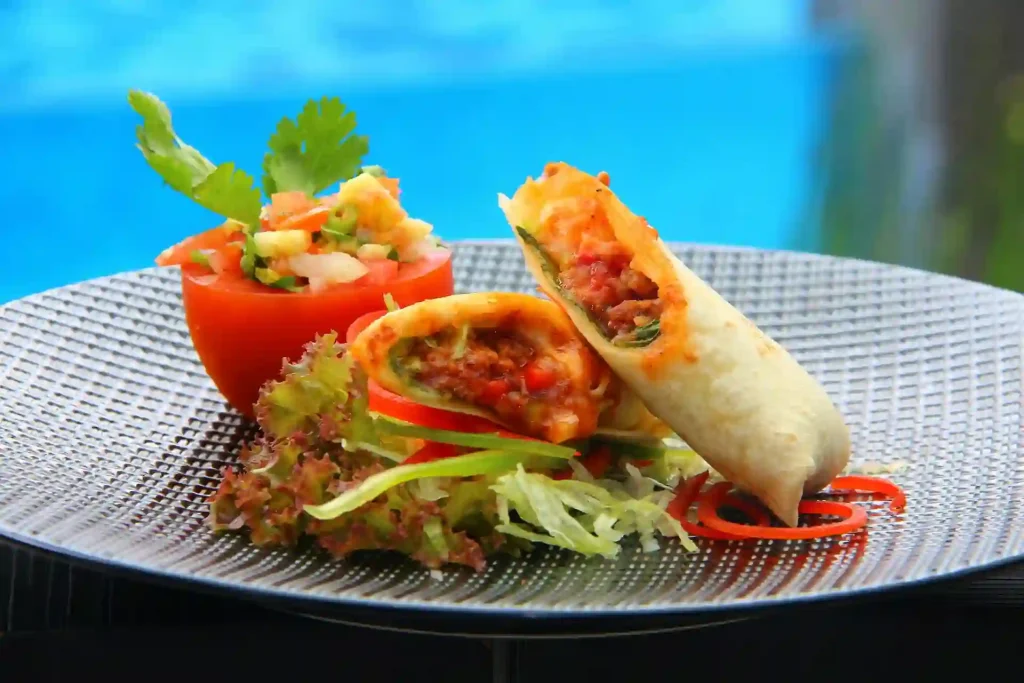
- Slice the lumpia
- Pour the sauce over the top
- Add fresh chillies if desired
Source: Pexels
Where to Find Lumpia Bali
Tourists can easily find Lumpia Bali in:
- Sanur Beach area (most famous spot)
- Local night markets
- Small roadside food stalls (warungs)
It is typically very affordable and freshly made on the spot.
Tips for First-Time Visitors
- Ask for “not too spicy” if you are sensitive to chilli
- Try it fresh and hot for the best texture
- Pair it with a cold drink or coconut water for a balanced snack
- Look for busy stalls. Higher turnover usually means fresher food
FAQ (Frequently Asked Questions)
Is Lumpia Bali vegetarian?
Mostly yes, as it usually contains vegetables. However, some versions may include shrimp paste in the sauce, so it is best to ask.
Is it spicy?
It can be mildly spicy depending on the sauce and added chillies. Most vendors, especially at beach stalls, will slice fresh chillies directly on top of the lumpia when serving.
You can easily customise the heat level by asking for no chilli or adjusting it to your preference. If you are unsure, it is best to start with just one piece of chilli to be safe. You can always add more later, but once it is too spicy, it is difficult to tone it down.
What is the difference between Lumpia Bali and spring rolls?
Lumpia Bali is a local adaptation of spring rolls, with a unique peanut-based sauce and simpler vegetable filling.
Where is the best place to try it?
Sanur is the most well-known area, especially along the beachside food stalls where Lumpia Bali is freshly made and served hot. It is easy to find while walking along the promenade, particularly in the late afternoon and evening.
Beyond Sanur, you can also try it in:
- Denpasar: Local markets and street food areas often have authentic, no-frills versions popular with locals
- Kuta and Seminyak: Less common, but occasionally available at night markets or smaller roadside stalls
- Ubud: You may find it in local warungs or food markets, sometimes with a slightly more modern twist
Is it safe to eat street food in Bali?
Yes, as long as you choose stalls that are busy and maintain good hygiene practices. As a general tip, look for places with a steady flow of customers. This usually means the food is freshly prepared and trusted by locals.
Final Thoughts
Lumpia Bali is a simple yet memorable snack that reflects the island’s relaxed food culture. For many visitors, it becomes one of those small but delightful discoveries that make travelling in Bali feel special.
If you are planning to explore more of Bali’s culinary scene, staying in a comfortable and well-located villa can make your experience even more enjoyable. Consider Ubud Villas Rental for a peaceful base where you can unwind after a day of food adventures, from beachside snacks in Sanur to hidden local eats in Ubud.