Melukat in Bali: A Sacred Cleansing Ritual You Can Experience
You’ve seen the beaches, taken the photos, and checked off the famous places. Still, there’s a quiet sense of emptiness. A feeling that your journey could mean something more. Melukat in Bali, a sacred Balinese water purification ritual, offers a chance to pause, reflect, and reconnect. It’s a meaningful experience for anyone seeking clarity, healing, or a deeper connection with Bali.
So read on to discover what melukat is, where to experience it, and how it can transform your time on the Island of the Gods into something truly unforgettable.
What Is Melukat?
Melukat is a Balinese Hindu purification ritual that involves bathing in holy water to cleanse the mind, body, and spirit. The word “melukat” comes from the Sanskrit word “suloka,” meaning to purify. It is typically performed at temples with holy springs, such as Tirta Empul in Tampaksiring or Sebatu Holy Spring in Tegallalang.
While often associated with religious practice, melukat is open to anyone with a sincere intention. Locals do it to ward off negative energy, seek blessings, or mark important life transitions. For travelers, it can be a powerful moment of reflection and connection to Balinese culture.
Why Do People Do It?
In Balinese Hinduism, water is seen as a divine element that purifies the body, mind, and soul. Melukat is often performed during times of emotional distress, illness, or before important life events such as weddings or full moon rituals. It’s not just a cleansing of the body, but a release of spiritual impurities and inner tension.
Many people who experience melukat describe feeling lighter, calmer, and more grounded afterward. The benefits can include a renewed sense of clarity, emotional relief, and a deeper connection to oneself and the surrounding culture.
Even for visitors who don’t follow Hindu beliefs, participating in melukat with respect and an open heart can be a moving experience. It’s a way to go beyond sightseeing and connect with the island’s deeper spiritual rhythm.
Where Can You Experience Melukat in Bali?
There are several sacred sites across Bali where melukat is performed:
1. Tirta Empul Temple (Tampaksiring)
Built in 962 CE near Tampaksiring, Pura Tirta Empul is Bali’s best-known water temple. According to legend the warrior-god Indra struck the earth here to create a spring that cleansed poison, and the site is believed to have healing power.
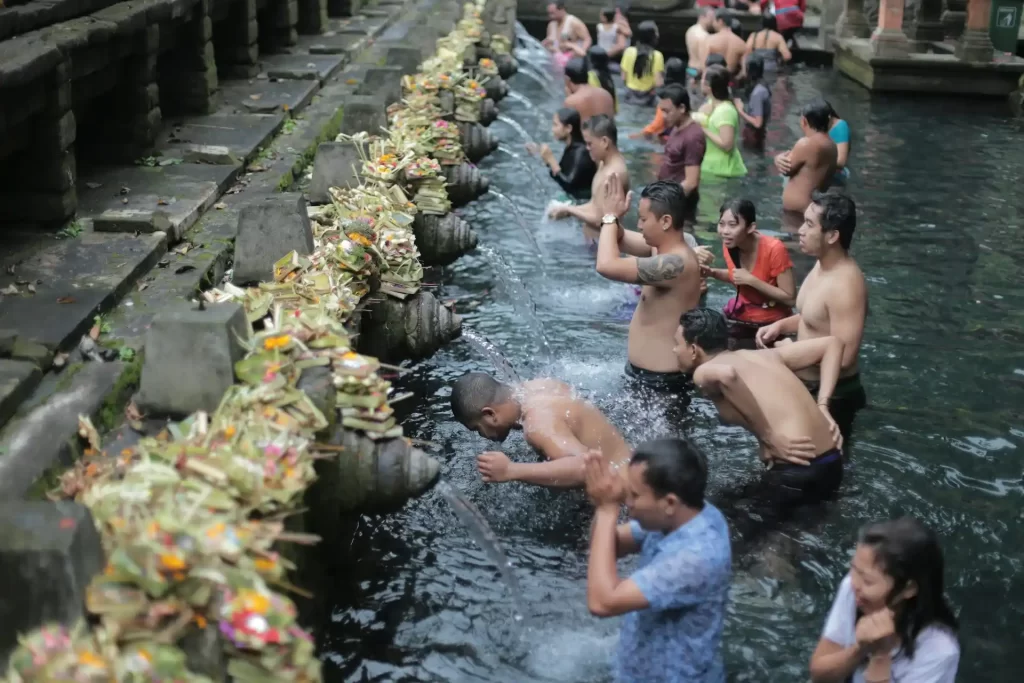
The temple’s inner courtyard contains two long pools fed by a natural spring. A row of 30 carved stone spouts pours crystal-clear water into the pools. Pilgrims and visitors line up to stand under each fountain, silently praying and bathing in turn as part of the melukat purification ritual.
In Balinese belief the sacred water washes away spiritual impurities, so Tirta Empul’s spring is central to the cleansing ceremony and is considered holy (amritha).
2. Sebatu Holy Spring (Tegallalang)
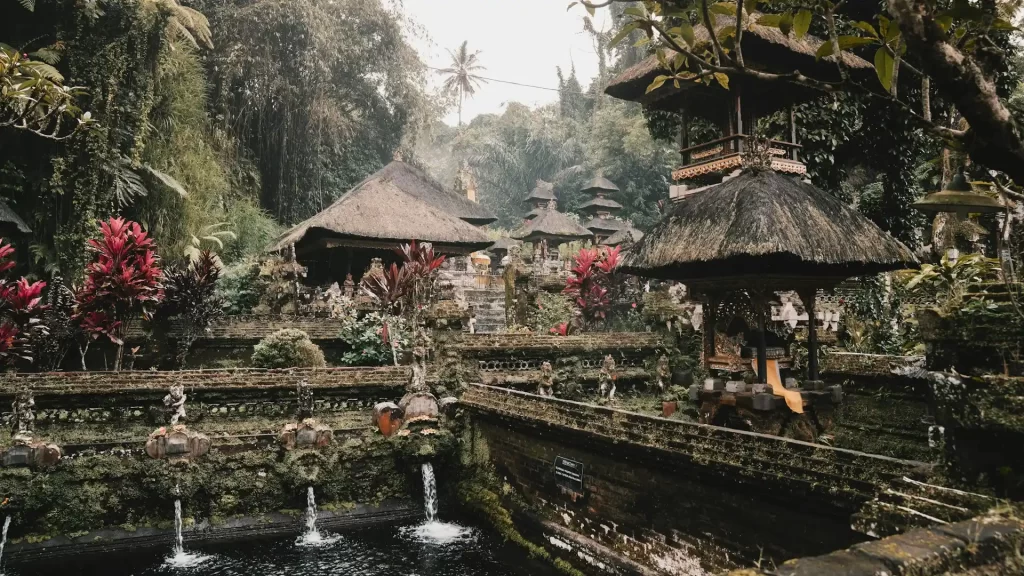
Gunung Kawi Sebatu Temple, often just called Sebatu, lies in a quiet valley in Tegallalang north of Ubud. It features lush gardens, ponds with koi fish, and stone shrines around a series of spring-fed pools. The clear water here is also used for melukat: Balinese devotees pray and dip themselves under the fountains to purify body and mind.
Sebatu is generally less crowded than Tirta Empul, so many visitors treasure its tranquil atmosphere. Travelers note the peaceful “murmur of water” and tropical foliage that surround the holy springs, reflecting the island’s ideal of harmony with nature.
3. Pura Mengening (Gianyar)
Tucked in rural Tampaksiring (Gianyar), Pura Mengening (also spelled Mangening) is a small, lesser-known water temple. It’s often described as a hidden gem. The moss-covered lava-stone shrine sits beside a modest spring pool shaded by trees.
Local Hindus come here to perform melukat in the same way: praying and bathing in the spring water to cleanse themselves spiritually. Visitors praise Mengening’s quiet, natural setting, such as rice terraces and forest greenery. All of this lends the shrine a peaceful, potent spiritual ambiance.
In short, Mengening’s pure spring and secluded environment make it a favored place for personal purification rituals away from the crowds.
4. Tirta Sudamala (Bangli)
Pura Tirta Sudamala sits on a riverbank in Bebalang village (Bangli) and is famed for its dramatic natural setting. The temple is surrounded by towering stone cliffs and old banyan trees, with a clear mountain stream flowing through the ground.
The holy spring here feeds several fountains, most notably a nine-tiered Dewata Nawa Sanga waterfall adorned with statues of gods.. Balinese pilgrims come to this “holy bathing place” to perform melukat for safety, healing, and the cleansing of mala (impurities).
In other words, Tirta Sudamala combines the ritual of purification with the power of nature. Worshippers descend stone steps into the soothing mist of the waterfalls, confident that the sacred water will wash away negative forces.
Source: Unsplash
What to Expect During a Melukat in Bali Ceremony
A melukat experience typically begins with prayers and offerings led by a Balinese priest (pemangku). You will then be guided to bathe in the holy water, moving from spout to spout while offering prayers or intentions silently.
Here are a few things to keep in mind:
- Dress modestly: Wear a sarong and sash. These are often available to rent at temple entrances.
- Be respectful: This is a spiritual ceremony. Follow local customs and avoid disruptive behavior.
- Bring offerings: A small basket of flowers and incense (canang sari) is customary.
- Go with a guide: For a deeper understanding, consider going with a local guide who can explain the meaning and process step by step.
Tips Before You Go Melukat in Bali
- Visit in the morning to enjoy a quieter and more peaceful atmosphere. Temples tend to be more crowded later in the day.
- Avoid wearing sunscreen or makeup before entering the water. These products can harm the fish and other small creatures that live in the holy springs.
- Women who are menstruating are not allowed to enter temple areas. In Balinese culture, this is seen as a sacred time for women to rest from temple and community responsibilities. It is also believed that emotional shifts during this period may affect the spiritual balance of the space. This guideline is not meant to discriminate, but to honour ritual purity as part of our cultural values. If you are menstruating, we kindly ask that you refrain from entering the temple. You are welcome to enjoy the serene surroundings from outside the sacred area while others participate in the ritual.
- Respect all signs and local instructions. Each temple may have its own rules. Following them is a way to show appreciation for the space and the community that preserves it.
Source: Unsplash
Conclusion: A Meaningful Ritual in the Heart of Bali
Melukat in Bali is more than just a cultural activity. It’s a profound opportunity to pause, reflect, and reconnect with your inner self in a place known for its spiritual depth. Whether you’re seeking healing, clarity, or simply a moment of peace, melukat offers a truly unforgettable experience.
Curious about more authentic Balinese experiences? Explore our guides and let us help you plan a meaningful trip to Bali that goes beyond the ordinary.
Discover our handpicked Ubud Villas Rental for a stay that complements your journey. It’s perfect for those who wish to relax in comfort while staying close to Bali’s spiritual core.