Reach New Heights: Top Rock Climbing in Bali Guide
Rock climbing is one of the most thrilling outdoor sports in the world, combining strength, technique, and mental focus. While Bali is often celebrated for its beaches, temples, and rice terraces, the island is also home to exciting rock climbing opportunities. From volcanic peaks to limestone cliffs by the sea, Bali offers a diverse range of routes for both beginners and experienced climbers. Whether you are looking to train in a local climbing gym or test your skills on natural crags, Bali is becoming a must-visit destination for rock climbing enthusiasts.
In this guide, we will explore the best climbing gyms and outdoor spots on the island, along with essential tips on what to prepare before your climb. So, keep on reading to find out more.
Why Try Rock Climbing in Bali?
Rock climbing in Bali is unique because it combines adventure with breathtaking landscapes. You can scale cliffs while overlooking turquoise waters in Jimbaran, test your endurance on Mount Agung, or start with beginner-friendly walls in climbing gyms around Ubud and Canggu. Unlike other destinations that focus only on sport climbing or bouldering, Bali offers a balance of indoor training and outdoor adventure.
Rock Climbing Gyms in Bali
Before heading outdoors, many climbers choose to train at local gyms. These gyms provide the right equipment, certified instructors, and a safe environment to build confidence.
Klimb Boulder Gym Bali, Canggu
Opened in 2023, this fully air-conditioned gym in Canggu offers 4-metre bouldering walls with flat, slab, and overhang sections. Routes are regularly updated by experienced setters, making it suitable for both beginners and advanced climbers. A cosy lounge area adds a community feel, perfect for relaxing and connecting with fellow climbers.
Bouldering Gym, Canggu
This small but reliable gym is the only dedicated climbing facility in Canggu. It offers private coaching sessions with certified instructors and well-maintained bouldering walls. While limited in size, it is an excellent place to start learning the basics of rock climbing.
Badung Climbing Gym
Located outdoors, this gym has six boulder blocks, a speed climbing wall, and a lead climbing wall. It is a good option for beginners, although its irregular opening hours mean you should call ahead before visiting.
Eiger Flagship Store, Seminyak
Aside from selling climbing gear, Eiger also provides two climbing walls. The indoor bouldering wall is great for practice, while the outdoor wall offers a more challenging experience. Affordable sessions and the availability of equipment make this a convenient stop for climbers.
Monk Climbing Gym, Ubud
Focused on community and outdoor trips, Monk Climbing Gym is a small facility where you can train, meet fellow climbers, and join group expeditions to natural climbing spots around Bali.
Best Outdoor Rock Climbing Spots in Bali
Once you are ready to leave the gym, Bali has plenty of natural routes to challenge your skills.
Mount Batur
A popular destination for both hikers and climbers, Mount Batur offers scenic routes with a rewarding sunrise view at the summit. Warm clothing and sturdy shoes are recommended as temperatures can be chilly in the early morning.

Source: Unsplash
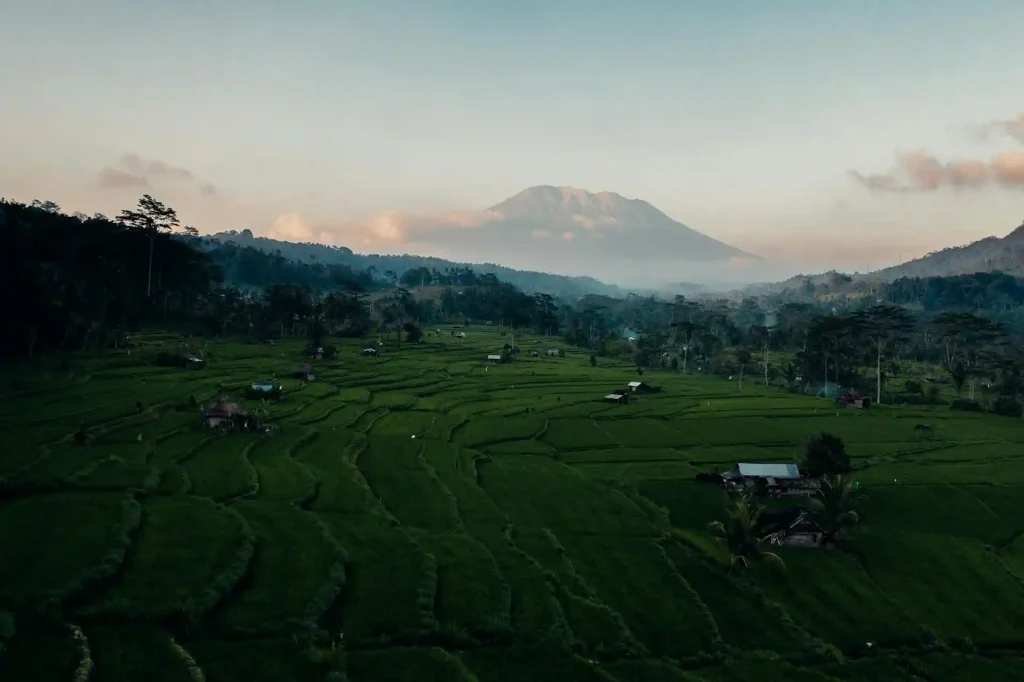
Mount Agung
As the highest volcano in Bali, Mount Agung is a challenging climb suitable for experienced climbers. Trails can be steep and slippery, and climbing access depends on the season, as the mountain is sacred and occasionally closed for ceremonies.
Source: Pexels
Kintamani Region
Known for its extinct volcanoes and highland terrain, Kintamani provides a variety of climbing experiences. With multiple routes available, this region is ideal for those who want to explore different types of climbs in one area.
Jimbaran Cliffs
If you are looking for ocean-side climbing, the cliffs at Jimbaran are an excellent choice. The routes here are not overly crowded, making it a peaceful and scenic spot for climbing with friends.
Hidden Gems: Songan Village, Padang Padang Beach, and Balangan Beach
- Songan Village features two excellent crags with fewer visitors, offering a quiet climbing experience.
- Padang Padang Beach combines sandy shores with climbing routes, though climbers should bring their own equipment as rentals are not available.
- Balangan Beach provides several cliffside routes that are rarely crowded, giving you the perfect mix of climbing and coastal views.
What You Need to Prepare for Rock Climbing in Bali
Climbing in Bali can be both rewarding and demanding. Proper preparation is key to making the most of your adventure.
Essential Gear
- Climbing shoes: A good fit is crucial for grip and performance.
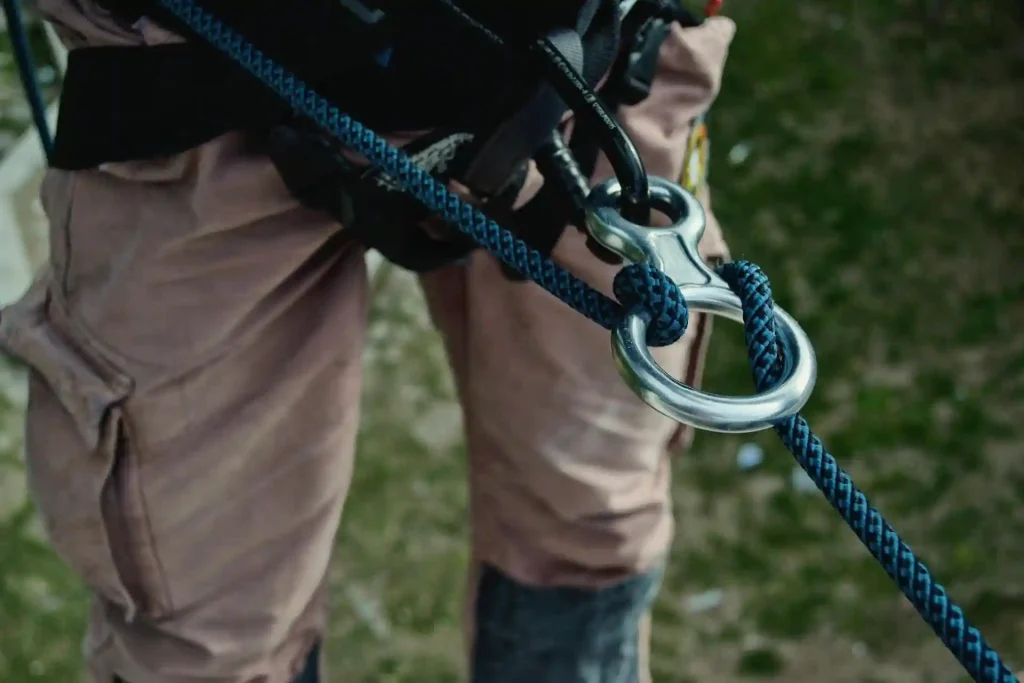
- Harness and rope: If you plan to climb outdoors, ensure your gear is reliable and well-maintained.
- Helmet: Protects you from falling rocks or accidental bumps.
- Chalk bag: Useful for keeping your grip dry in Bali’s humid climate.
Physical Preparation
Building strength and endurance will make your climbs more enjoyable. Focus on core workouts, flexibility, and grip training. Practicing in a climbing gym before heading outdoors is highly recommended.
Safety Considerations
Unlike established climbing destinations with official route maintenance, Bali’s outdoor crags may lack formal safety checks. Always inspect bolts and anchors before climbing, and whenever possible, go with an experienced guide or local climbing group.
Source: Pexels
Timing and Weather
Bali’s tropical climate means the best time to climb is during the dry season, from April to October. Early mornings are ideal for outdoor climbs, as afternoons can be hot and humid.
Benefits of Rock Climbing
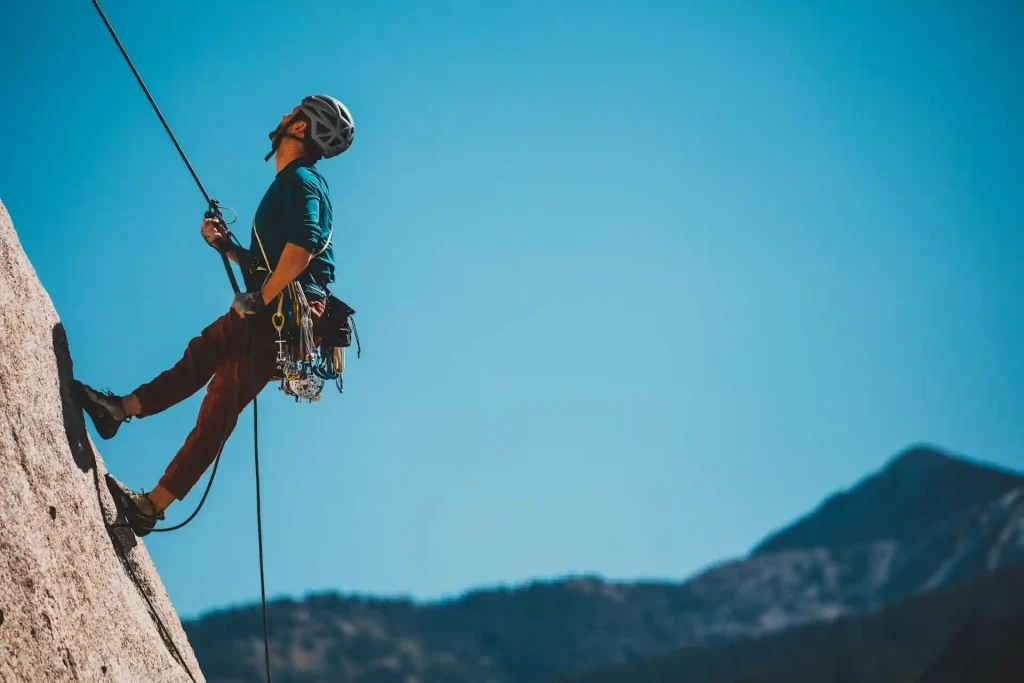
Rock climbing is not only a physical workout but also a mental challenge. In Bali, the sport offers climbers the chance to test their endurance and sharpen their focus while exploring a variety of routes that improve strength and flexibility. Each climb requires concentration and problem-solving skills as you figure out the best way to move from one hold to the next.
Beyond the physical and mental benefits, climbing also provides a sense of balance and connection. Many climbers find stress relief while surrounded by Bali’s natural landscapes, and the sport becomes even more rewarding through the friendships built in local climbing groups and gyms. It is both a personal journey and a shared experience that continues to grow in Bali’s active community.
Source: Unsplash
Ready For Rock Climbing in Bali?
Rock climbing in Bali is an unforgettable experience that combines adventure, fitness, and stunning landscapes. From indoor gyms in Canggu and Ubud to outdoor routes on Mount Batur and the Jimbaran cliffs, the island caters to climbers of all skill levels. With the right preparation, equipment, and safety measures, the climbing scene in Bali offers both challenge and reward.
For a complete experience, balance the thrill of climbing with the tranquillity of a comfortable stay. Explore the beauty of the island and enjoy a relaxing retreat with Ubud Villas Rental, where you can unwind after a day of adventure.