Best Time to Visit Ubud (2026 Full Guide)
Are you dreaming of escaping to the lush landscapes and vibrant culture of Ubud? With its tropical climate and unique cultural events, choosing the best time to visit Ubud can be tricky.
Do not worry! In this article, we will reveal the best time to visit Ubud, ensuring you experience ideal weather and immerse yourself in the most festive seasons. Whether you’re seeking sunny skies for outdoor adventures or eager to witness colorful festivals and celebrations, we’ve got you covered.
Join us as we navigate through the months, unveiling the best times to visit Ubud and create unforgettable memories. Get ready to plan your perfect escape to this charming paradise!
Understanding the Weather in Ubud
It’s important to understand Bali’s climate and weather patterns before we dive into the best time to visit Ubud on the island.
Ubud experiences a tropical climate with two distinct seasons and transition weather in Ubud periods. The first one is the dry season, which runs from April to September. Then there is the wet season, which lasts from December to January. Between these two are the shoulder seasons (transition periods) that occur from October to November and February to March.
Best Time to Visit Ubud During Dry Season
The dry season is the most popular time to visit Ubud and for good reason. This is also the peak tourist season, so you’ll have to contend with larger crowds and higher prices.
Are you looking to experience the best time to visit Ubud during the dry season? Then, plan your trip between April to September. The weather is at its best in these months, with plenty of sunshine, clear skies, and low humidity.
It’s the perfect time for outdoor activities and exploring the natural beauty of Ubud. You can try to visit the Monkey Forest where you can see and interact with a lot of monkeys and immerse yourself in the serene forest atmosphere.
Another outdoor place to visit around Ubud is Campuhan Ridge Walk, also known as Bukit Cinta. This place offers a scenic panorama of Ubud’s greenery. For an alternative, enjoy the unmissable swings at Tegalalang Rice Terrace with its beautifully arranged paddies view. If you prefer a beautiful spot where you can take some aesthetic photos, consider visiting the Ubud Palace or Saraswati Temple.
Besides those options, there are plenty of cultural events and festivals to enjoy. Around April and May, the Bali Spirit Festival celebrates yoga, dance, and music with workshops and performances.
Between July and August, the Ubud Village Jazz Festival brings together local and international musicians for a weekend of jazz performances and workshops. Or If you’re a foodie, you’ll love the Ubud Food Festival which features a range of culinary events that are usually held from June to July.

Source: Unsplash
Ubud Weather Overview
Ubud enjoys a tropical climate year-round, so temperatures remain warm and relatively stable throughout the year. During the day, temperatures typically range from 27°C to 30°C, while evenings can feel a bit cooler thanks to Ubud’s slightly higher elevation compared to Bali’s coastal areas.
Rather than temperature shifts, the main change in Ubud’s weather comes from rainfall patterns. The year is generally divided into two distinct seasons: the dry season and the rainy season. Each season creates a different atmosphere, offering its own appeal depending on the kind of experience travelers are looking for in Ubud.

Source: Unsplash
How to enjoy time in Ubud during the Wet Season
While the wet season in Ubud may not be ideal for outdoor activities due to occasional heavy rain, the weather often features short bursts of rain followed by sunny, pleasant days.
Despite the rain, there are still numerous enjoyable experiences to be had. For example, you can Embrace the tranquility of the season by indulging in a variety of spa retreats, where you can relax and rejuvenate amidst the lush tropical surroundings.
Moreover, the festive spirit of the wet season brightens Ubud with special Christmas and New Year’s Eve celebrations. Some accommodations come alive with vibrant decorations, special events, and enticing packages to mark these joyous occasions.

Source: Pexels
Preparing for Your Trip to Ubud
Before you pack your bags and head to Ubud, there are a few things to consider. Here are some factors to keep in mind when planning your trip:
- Visa requirements: Check if you need a visa before traveling to Ubud, Bali. Some countries are eligible for visa-free entry, while others require a visa on arrival.
- Health and safety: Make sure to get any necessary vaccinations and travel insurance before your trip. Bali is generally safe, but it’s always a good idea to take precautions and be aware of your surroundings.
- Accommodation: Ubud has a range of accommodation options, from budget hostels to luxury resorts. Make sure to book in advance, especially during peak season.
- Transportation: Ubud is easily accessible by car or motorbike from other parts of Bali. You can also hire a driver or take a taxi. However, traffic can be heavy during peak season, so plan accordingly.
- Currency: The currency in Bali is the Indonesian Rupiah (IDR). Make sure to exchange your money before your trip or withdraw cash from an ATM in Ubud.
By keeping these factors in mind, you’ll be well-prepared for your trip to Ubud.
Ubud Monthly Weather (2026 UPDATE)
Before setting off for Ubud with all your essentials packed, remember to review the monthly Ubud weather conditions for the period of your visit. We’ve put together a comprehensive guide detailing the average weather in Ubud for each month, ensuring you’re fully prepared for your journey in ubud weather.
| Month | Average Rainy Days | Travel Notes |
|---|---|---|
| January | 26–27 days | Wettest month; best for quiet retreats |
| February | 24–25 days | Lush scenery and fewer tourists |
| March | 20–22 days | Rain begins to decrease |
| April | 13–15 days | Start of the dry season |
| May | 10–12 days | Excellent weather and fewer crowds |
| June | 8–10 days | One of the best months to visit |
| July | 4–6 days | Peak tourist season with great weather |
| August | 4–5 days | Sunny and dry but very busy |
| September | 6–8 days | Warm weather with fewer visitors |
| October | 10–12 days | End of the dry season |
| November | 18–20 days | Rainy season begins |
| December | 22–24 days | Holiday season with frequent rain |
Dry Season (April to October) 2026
The dry season is widely considered the best time to visit Ubud. During these months, rainfall is minimal, humidity is lower, and the skies are usually clear. This makes it the perfect time for outdoor activities such as hiking through rice fields, visiting waterfalls, or exploring temples.
Many of Ubud’s most famous attractions, including the Campuhan Ridge Walk, Tegallalang Rice Terraces, and Ayung River rafting, are especially enjoyable during this period. The dry weather also makes it easier to explore nearby villages and cultural sites.
Because of the favorable weather, the dry season is also the most popular time for tourists. July and August tend to be the busiest months, as they coincide with international summer holidays. Visitors planning to travel during these months should consider booking accommodation early to secure the best options.
Rainy Season (November to April) 2026
The rainy season in Ubud brings frequent tropical showers, usually in the afternoon or evening. While rainfall can be heavy at times, it rarely lasts all day, and travelers can still explore the town between showers.
One of the biggest advantages of visiting Ubud during the rainy season is the lush green scenery. Rice terraces, jungles, and waterfalls appear more vibrant and dramatic after rainfall. Photographers and nature lovers often appreciate the rich colors and misty landscapes that this season brings.
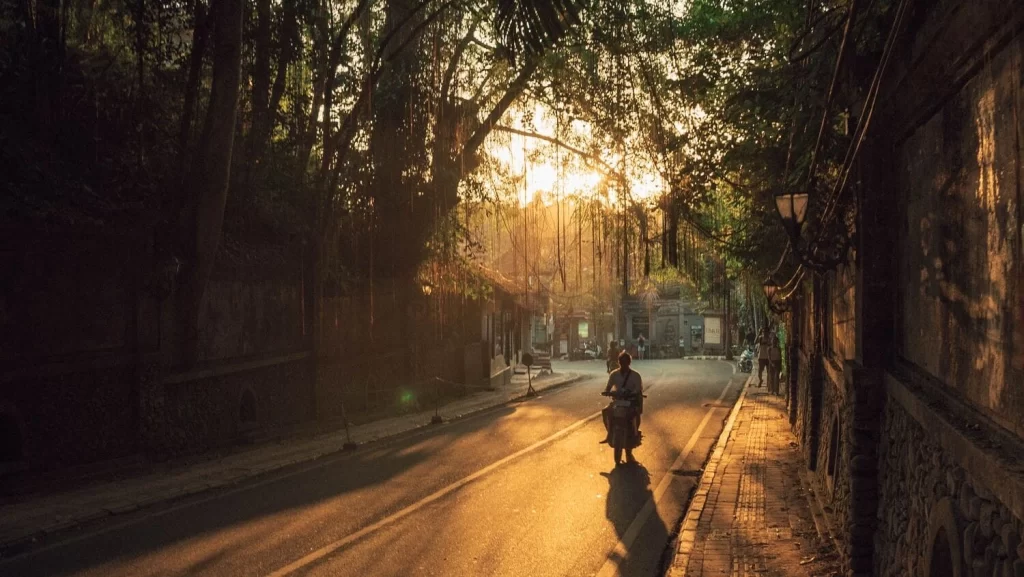
Another benefit is that the rainy season is generally less crowded and more affordable. Accommodation prices are often lower, and popular attractions are quieter compared to the peak dry season.
Source: Unsplash
Mark Your Calendar and Create a Plan Before Visit Ubud Bali!
Ubud is a magical and enchanting destination that offers something for everyone. Whether you’re seeking outdoor adventures or cultural experiences, there’s no shortage of things to see and do in this destination.
By understanding the weather patterns and timing your visit accordingly, you can choose the best time to visit Ubud which ensures a memorable and enjoyable trip in this charming paradise.
Planning a vacation to Luxury Villa Ubud? Choose the best accommodation that suits you perfectly! At Ubud Villas Rental by Red Lotus Bali Property, we offer a selection of private villas that guarantee a safe and delightful trip in any season. So, why wait? Book now and secure your dream vacation!