Traditional Dance Bali: A Cultural Dance You Must-See
Dive into the mesmerizing world of Bali’s traditional dances. Embark on a captivating journey through Bali’s rich cultural tapestry as we explore the beauty, history, and significance behind its intricate dance forms. From the graceful movements of the Legong to the powerful storytelling of the Barong, each dance carries its unique charm and narrative, offering a window into the soul of Balinese culture. Join us as we unravel the secrets and allure of traditional dance in Bali, celebrating its timeless elegance and profound cultural heritage.
Barong Dance
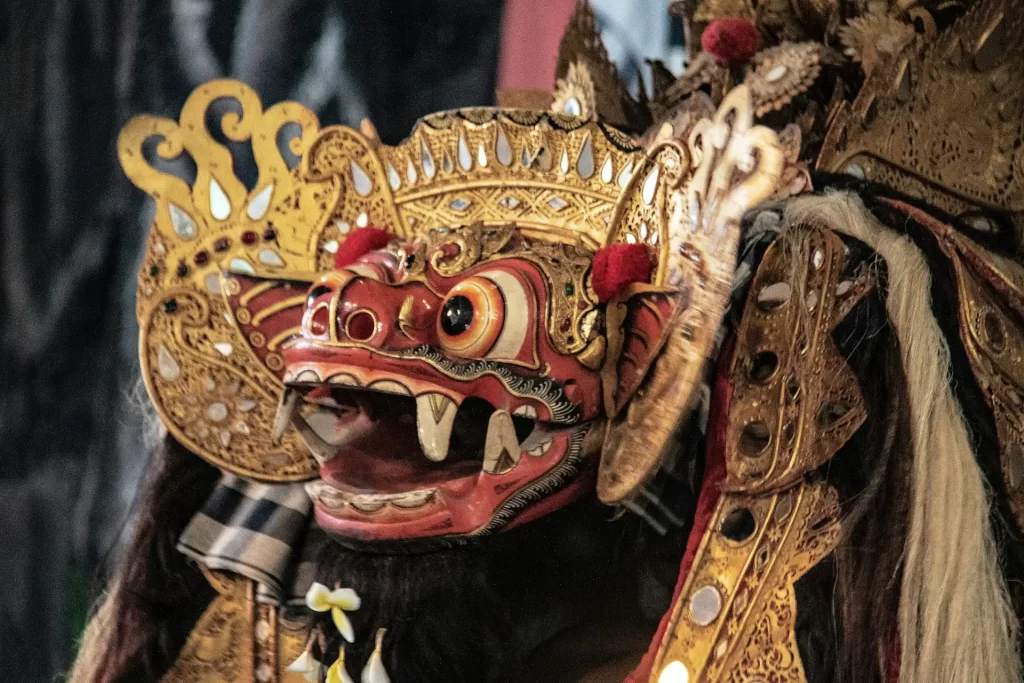
There is a captivating performance that reflects a mystical atmosphere embedded in the local culture of Bali. The traditional Bof Ali dance can be perceived as a sacred ceremony, presenting an eternal struggle of good and evil through costumes, rhythms, and symbols. The Barong Bali dance, being the core of the performance, represents a mythical creature embodying benevoliness and protection, struggling against Rangda, who is the representation of evil. The Barong Dance takes the viewer into a world of ancient myths with the help of the gamelan music performance.
Apart from the entertainment aspect, the Barong Dance presents a spiritual phenomenon that will grant blessings and ward off evil. With all its symbolism and costumes, the Barong Dance can be experienced in order to feel the mystery of Balinese culture.
Source: Unsplash
Pendet Dance
The Pendet dance is one of Bali’s most enchanting traditional rituals, often performed in the courtyards of Hindu temples. This welcoming dance features graceful, simple movements that symbolise purification and can be learned by anyone through observation.
Young Balinese girls typically perform Pendet while carrying small bowls filled with flower petals. As part of the dance, they gently toss the petals into the air—blessing the space and inviting positive energy. It’s a beautiful way to greet both visitors and spirits alike.
You’ll also notice flower offerings, such as canang and banten, placed at shrines within temples—expressions of gratitude to the gods. While Pendet is widely performed, it differs from sacred Wali dances, which are reserved for religious ceremonies and require years of training.
Legong Dance: Typical Dance with Traditional Fan
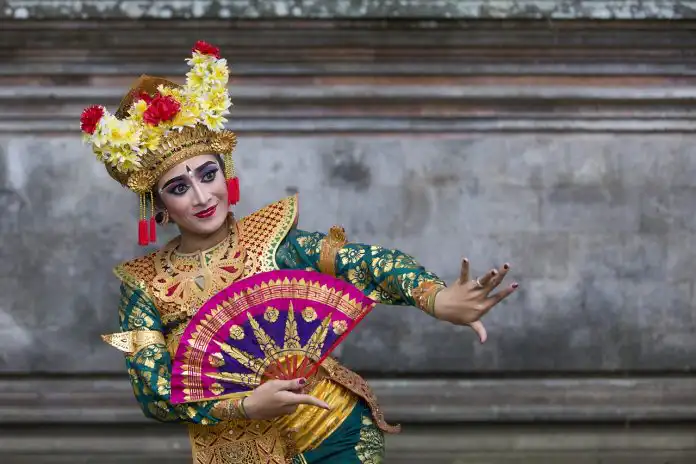
One of the elegant and traditional forms of dance is the Legong Dance of Balinese culture. This type of dance originated in the Balinese Royal Courts and contains delicate movements and stories. Girls wearing beautiful costumes dance in it, leading to an extremely charming and captivating performance. The stories depicted by this dance involve the mythological stories of Hinduism or Bali with love and spirituality as the major theme. With the music of gamelan orchestra, the Legong dance is sure to charm everyone with its elegance and beauty.
Source : getlost
Kecak Dance
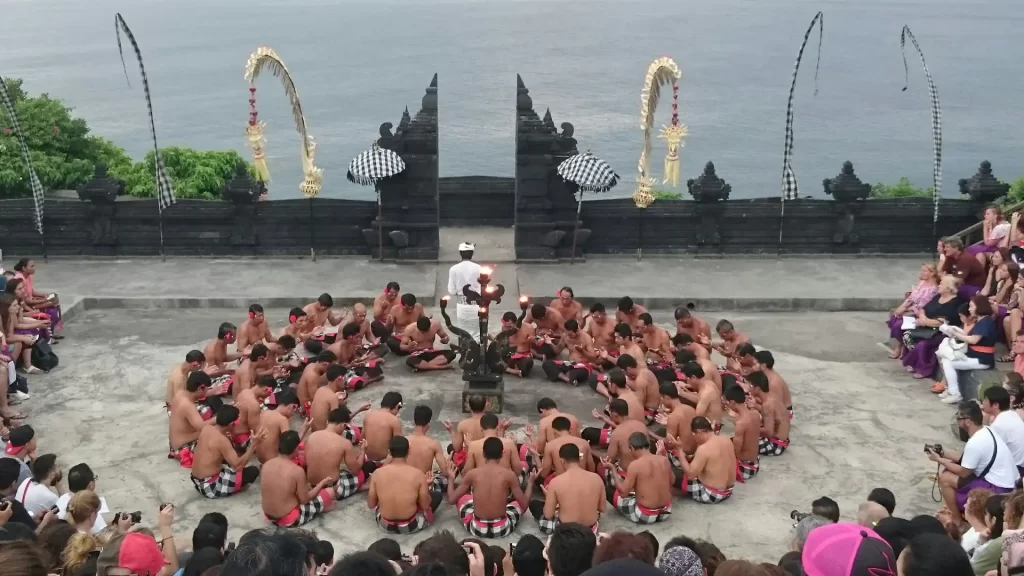
Ramayana monkey chant, also known as the Kecak dance, is a mesmerising and unique cultural performance indigenous to Bali. The Kecak Dance, unlike traditional Balinese dances with gamelan, features a male chorus chanting “cak.” It creates a hypnotic atmosphere by retelling episodes from the Ramayana, focusing on Prince Rama’s quest to rescue Princess Sita from the demon king Ravana. Performers in intricate costumes, against a backdrop of fire, enact this epic, captivating audiences with their energy and intensity. The Kecak Dance, a cultural treasure, highlights Balinese mythology, spirituality, and community, deeply imprinting Bali’s cultural richness on spectators.
Source: Pexels
Sanghyang Dance: The Sacred Experience in Traditional Dancing of Bali
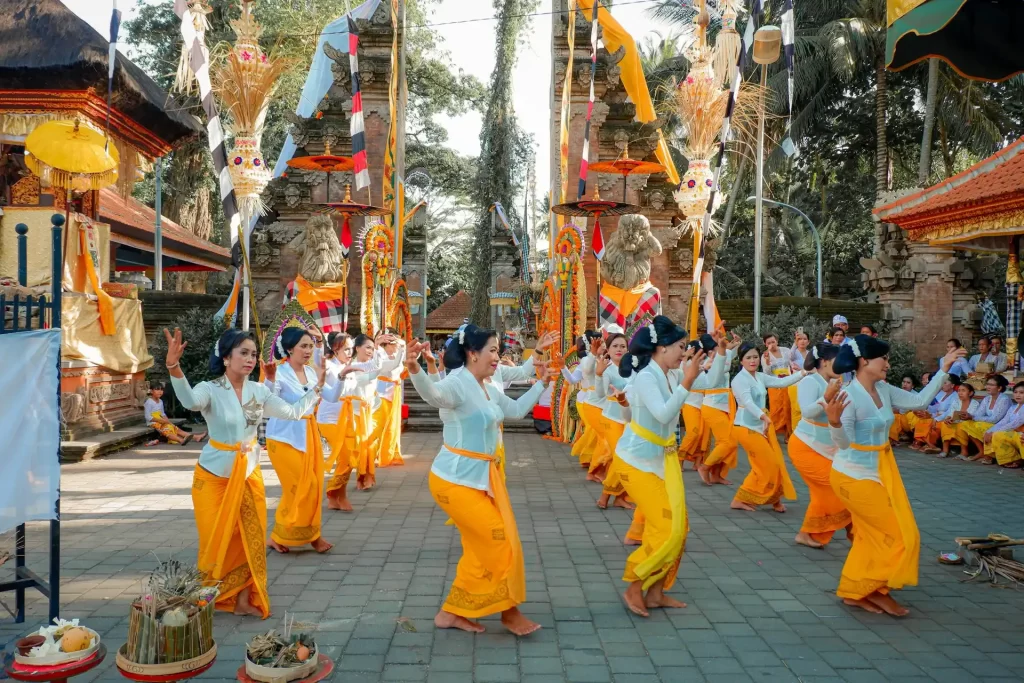
Unlike other dances in Bali, Sanghyang dance is a ritual that needs to be experienced rather than observed. It involves immersion into another realm of dancing where the art of dancing turns into prayer. While there are many shows and performances in Bali which will definitely impress the visitors by their beauty and splendor, Sanghyang is unique in the sense that it talks with the soul and spirit. Moreover, it is a powerful manifestation that the traditions of this island are alive in the heart of Bali, its villages.
In case if you are going to travel to Bali soon, and you wish to experience something unusual and authentic, be prepared to be attentive as Sanghyang is not always shown to tourists but when you have such opportunity do not miss it. Remember to behave yourself properly and show reverence because it is a religious ceremony.
Source: Unsplash
Where to watch traditional dance Bali
You can enjoy traditional dance performances at various exciting locations across the Bali island. At GWK Cultural Park in Jimbaran, watch Balinese dances against the backdrop of the iconic statue. Meanwhile, in Tanjung Benoa, restaurants serve seafood alongside dance performances. Furthermore, Ubud presents diverse dance venues, from Pura Dalem Ubud to the palace, plus art centers. Additionally, many Bali hotels and resorts feature traditional dances for tourists. With a wide selection of locations, Bali offers many places to enjoy the beauty and rich culture of traditional Balinese dance.
Conclusion: Traditional Dance Bali
Every traditional Balinese dance, including the Barong Dance, Legong Dance, and Kecak Dance, serves a purpose beyond mere entertainment. Behind the dazzling movements and magnificent costumes, these dances convey profound messages about cultural heritage, spiritual beliefs, and community values. Barong Dance, for example, recounts the eternal battle between good and evil, while offering protection and blessings to the community. Legong Dance, with its graceful movements, brings to life mythological stories that teach about love, loyalty, and struggle. Meanwhile, Kecak Dance, through its powerful rhythms and drama, celebrates courage, friendship, and victory over darkness. Taken together, these dances serve as a means to perpetuate Balinese culture, perpetuate traditional values. And unite communities through an immersive and meaningful artistic experience.
If you want to watch a dance performance in the Ubud area, Ubud, Gianyar, is a city renowned for its art in the country. You can stay at the best properties from Ubud Villas Rental.